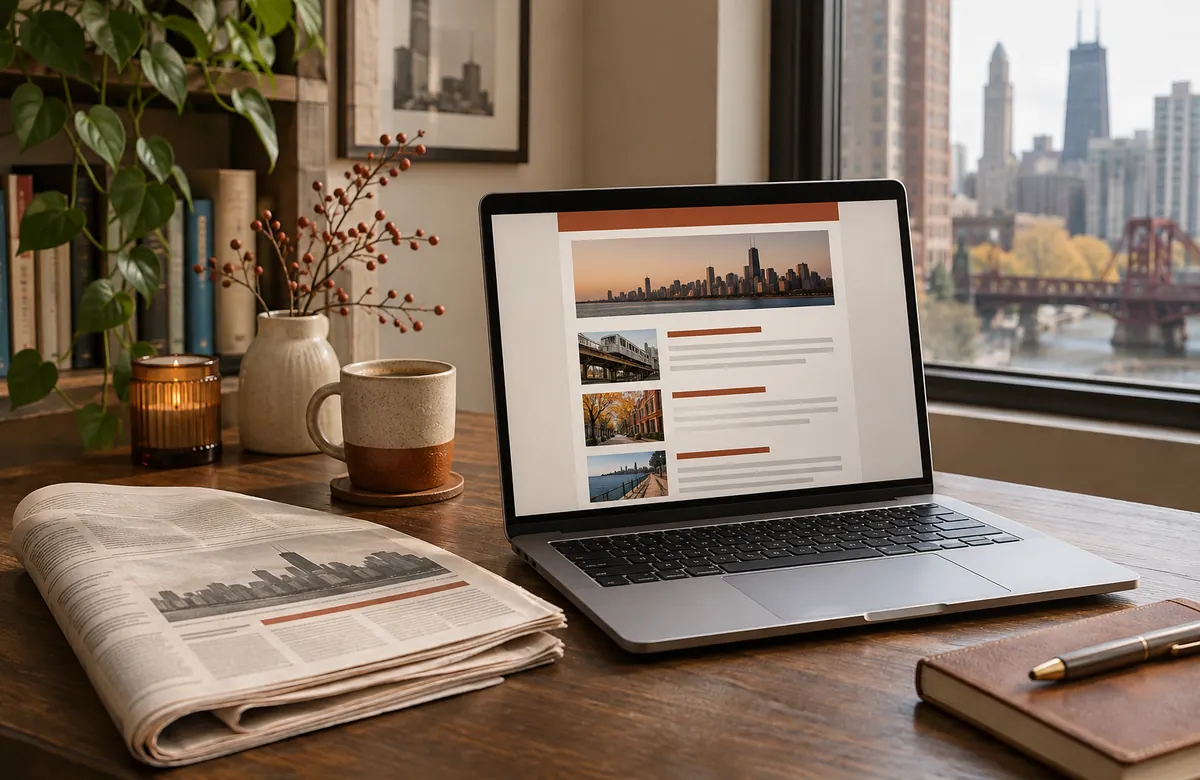
A person waiting for a train has several minutes to read the news. Their email contains a message from a local publication with a concise description of a council decision, the date of an upcoming hearing and a photograph of a recently restored theater. They know what material to expect because the message arrives on the same day each week.
That habit gives a newsletter value independently of its use as a way to promote articles. It provides a short editorial service. Its reliability depends on the newsroom selecting material carefully and making information easy to find.
Sending email is relatively straightforward. Producing something readers continue to want requires planning. An independent publication needs to define an editorial purpose, assess its ability to produce each issue and decide what information will help it evaluate the work.
Give the newsletter its own job
A website can contain many stories from different categories. An email message has less room and usually requires more specific editing. Reproducing every headline from the website may offer readers little reason to open the message instead of visiting its home page.
Start with the situation in which the audience will use it. A weekday bulletin might help commuters catch up on decisions affecting transportation and city services. A weekend publication might assist people choosing exhibitions and performances. A longer monthly letter might explain what happened to several issues the newsroom has been following.
Each purpose suggests a different schedule and amount of detail. The daily bulletin needs current information and fast production. A monthly review can afford a slower pace and should contain reporting substantial enough to justify the interval.
Define the promise in a short sentence. If editors cannot say what the newsletter is for, they will have difficulty deciding what belongs in an individual issue. A culture newsletter may still contain a discussion of public funding when that issue helps readers understand the operation of a theater or museum.
Write the subject line when the issue is clear
The subject line should identify material readers will actually find inside. A vague indication that something surprising has happened might produce curiosity, but it gives readers no way to assess whether the message is relevant.
Suppose an issue describes a new library schedule. A subject referring to the change and identifying the affected area supplies useful context. A subject suggesting that the city's libraries are facing a crisis could be misleading if the article concerns a small adjustment at a single location.
Avoid treating the length of the subject as a contest. Mobile screens vary, and the beginning of the line generally receives the most attention. Place the identifying information early. If the message has a regular name, decide whether that name or the specific topic will be more informative in the space available.
The preview text can add a second piece of information rather than repeating the subject. It might mention an upcoming public meeting that also appears in the issue. Use it deliberately; otherwise an email application may display an unrelated fragment of the first paragraph.
Build an issue around a reader's available time
An opening note may help an editor give context to a substantial story. It need not become a second editorial explaining why the reader should care about receiving a newsletter.
State the significant development and describe its effect. If the details of a council vote are available in a full article, the short description should still tell the reader what changed. An email that withholds the basic facts to induce clicks can make the service less useful.
Organize related items so the message can be scanned. Give practical details the space they require. Dates, times and places should be easy to distinguish from commentary. When an event depends on registration or a schedule is subject to change, explain that fact if known.
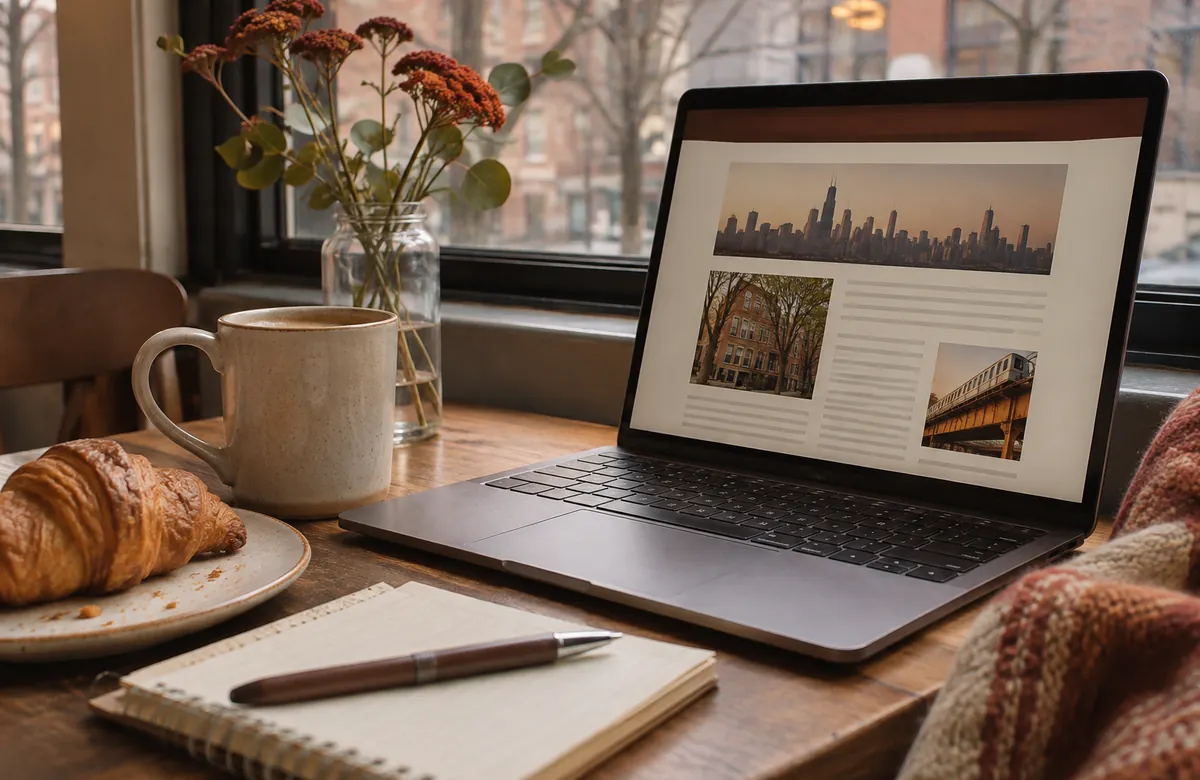
Images need restraint. A photograph can help identify a location or convey the appearance of a work of art. A large sequence of decorative pictures may make it more difficult to reach the information beneath them. Test the email on smaller screens and with images unavailable.
A newsletter designed for a calm reading experience can still contain lively writing. It benefits from concise reporting, specific descriptions and a clear sense of what the editor has chosen to include.
Plan a schedule the newsroom can maintain
The first issue of a new publication may receive unusual attention from its editors. A weekly schedule reveals whether the process remains manageable after the novelty disappears.
Map the tasks. Gathering material, writing summaries, checking dates, preparing images, reviewing the layout and scheduling delivery all require time. Determine who will do each part and who can take over when that person is unavailable.
Create a deadline early enough to permit basic checks. Preview the prepared email rather than relying solely on the editor's draft. Verify the destination of links in the working version, the appearance of special characters and the accuracy of the subject and preview text.
Consider what happens when a late development changes the news. A daily message may be able to replace a paragraph before its scheduled delivery. A culture newsletter that has already reached readers cannot be revised in their inboxes. A publication may need a short follow-up if the affected information is important.
Email subscribers should understand the service they agreed to receive. Sending additional promotional messages under the assumption that readers accepted every future use of their addresses can damage confidence. Maintain clear subscription practices and provide a straightforward way to leave.
Measure the service, not merely the delivery
An email platform can report delivery, unsubscribes, clicks and other activity. These measures describe different behavior. A large distribution list may contain addresses that are no longer used. A large number of opened messages does not necessarily indicate careful reading.
Technical changes have made that distinction more important. Mailchimp's guidance on Apple's Mail Privacy Protection, introduced in 2021, explains how that feature can affect reported opens. Images used to measure such activity may be retrieved without the reader making the expected choice to open the email.
Use multiple indicators and interpret them cautiously. Clicks on a particular item may reveal interest in a subject, but only if clicking was necessary to obtain the information. A useful notice contained entirely within the message may generate few clicks.
Reader replies and direct feedback can help explain what the numbers cannot. Ask whether the schedule works, which subjects recipients find useful and what information they routinely have to obtain elsewhere. The feedback will not represent every subscriber, so compare it with other observations.
An editor may discover that a smaller audience is more engaged with a tightly defined service than a much larger group acquired through a general promotion. That difference matters when the purpose is to develop a dependable readership.
Decide what belongs in the next issue
Review a sequence of recent messages rather than changing the publication after every fluctuation in the numbers. Does the newsletter repeatedly deliver the service it promised? Have several issues neglected part of that promise? Are production demands affecting the quality of the work?
A new subject or format can be tested when editors have a clear reason to try it. Change one meaningful part of the service at a time and allow sufficient opportunity to observe the result. A short local publication may not have enough data for elaborate statistical conclusions.
The most important result is a message that readers recognize and use. An effective newsletter gives them a reason to return next week, including when the city's news is ordinary. The routine requires editorial judgment, consistent work and respect for the attention of the people receiving it.