Arts & Entertainment
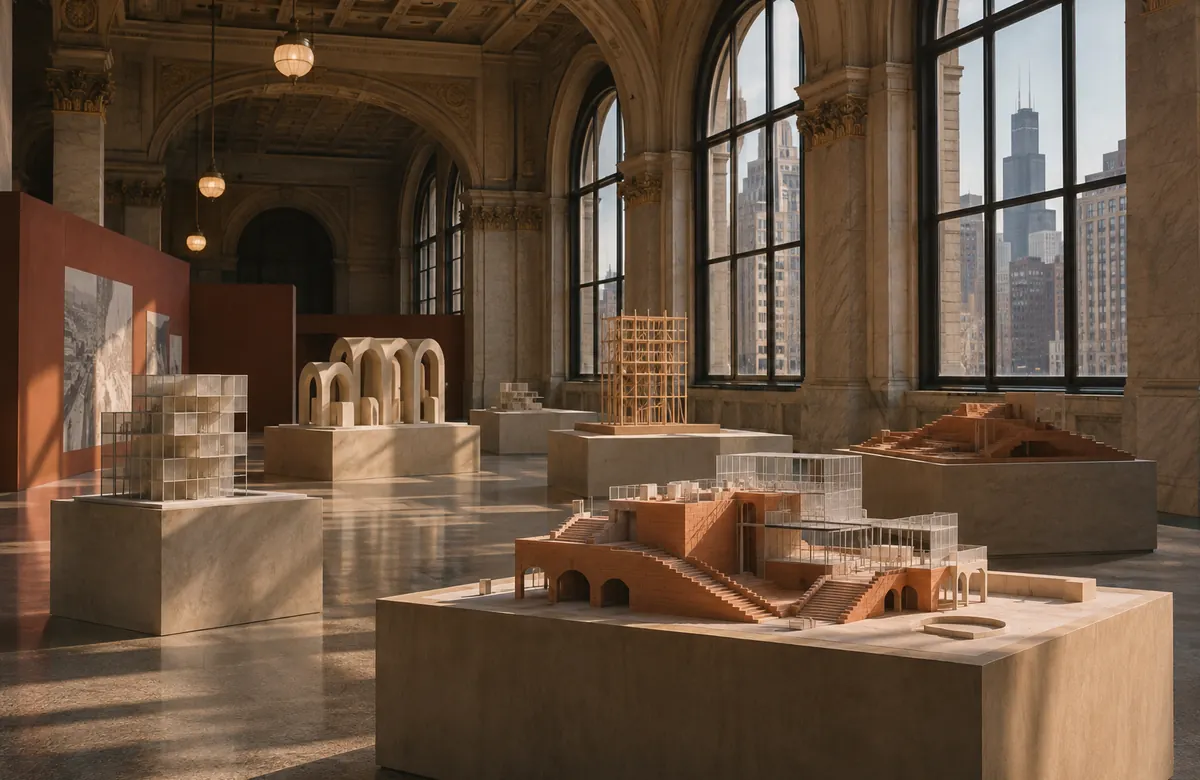
What Chicago's Architecture Biennial Asks of Its Own City
Since 2015, the Chicago Architecture Biennial has used exhibitions, community partnerships and installations to examine what the city could become.
The stages, galleries, music rooms and cultural institutions of Chicago.
16 articles
Since 2015, the Chicago Architecture Biennial has used exhibitions, community partnerships and installations to examine what the city could become.
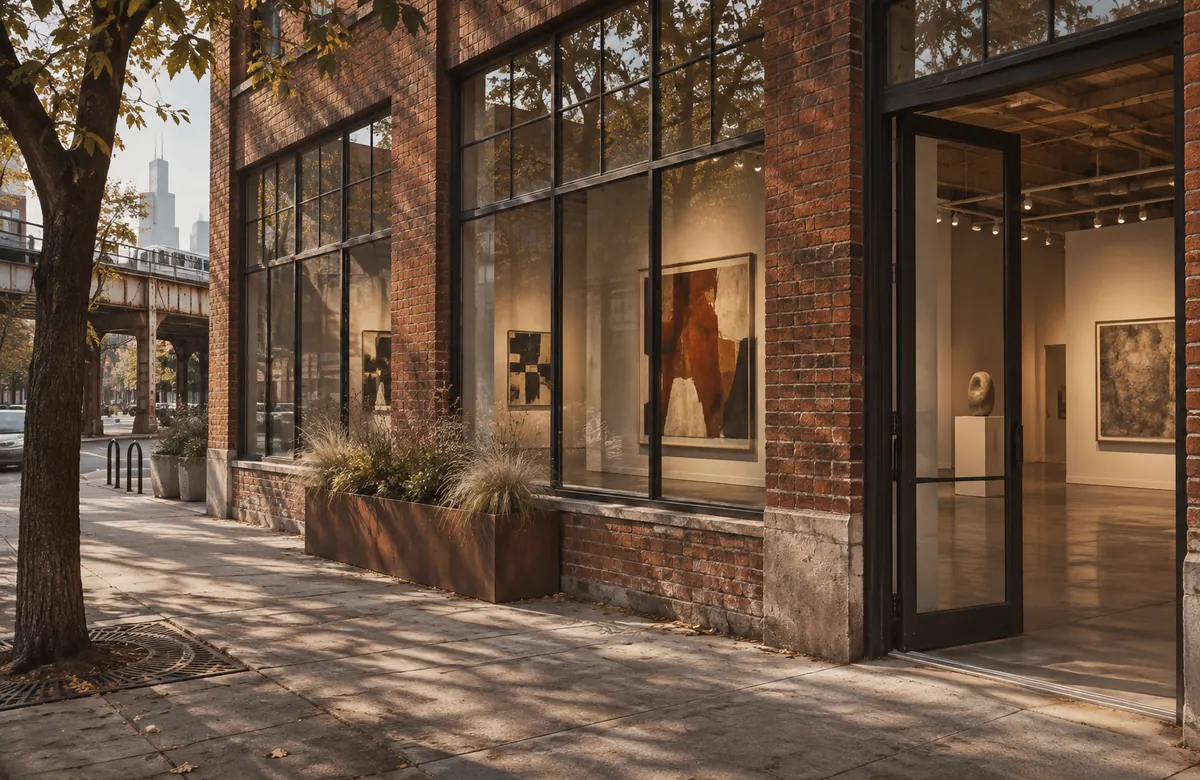
Chicago’s art galleries occupy former warehouses, storefronts and working studios. Discover what their neighborhoods bring to the experience of seeing art.
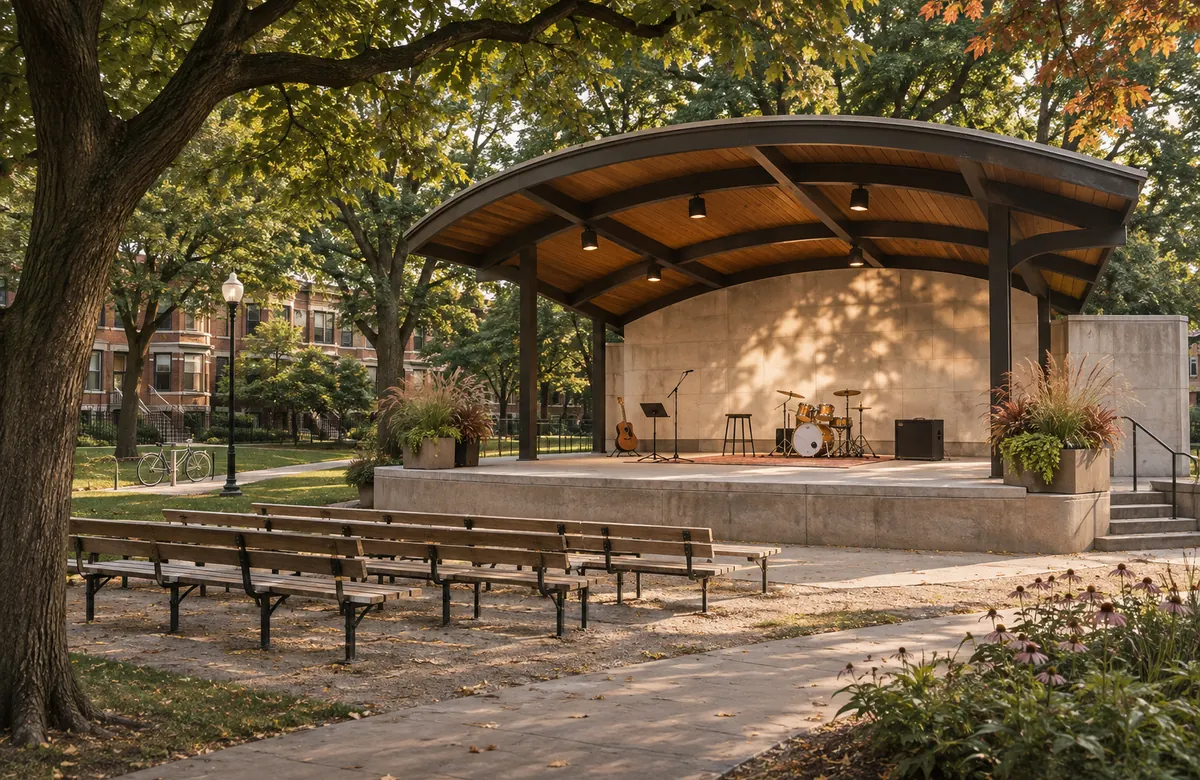
Chicago's public sculptures and neighborhood park performances offer distinct ways of fitting art into the course of an ordinary city's summer day.
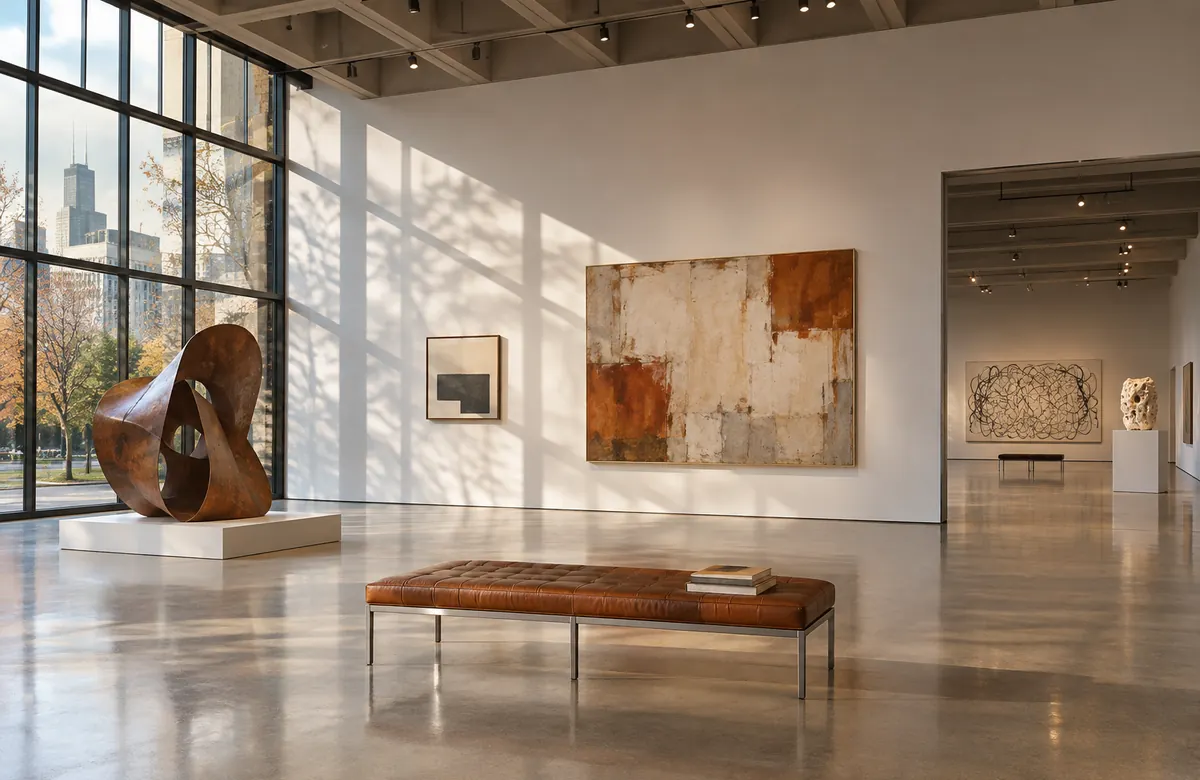
Explore the Art Institute's Modern Wing and the Museum of Contemporary Art through questions of display, context, experimentation, and slow looking.
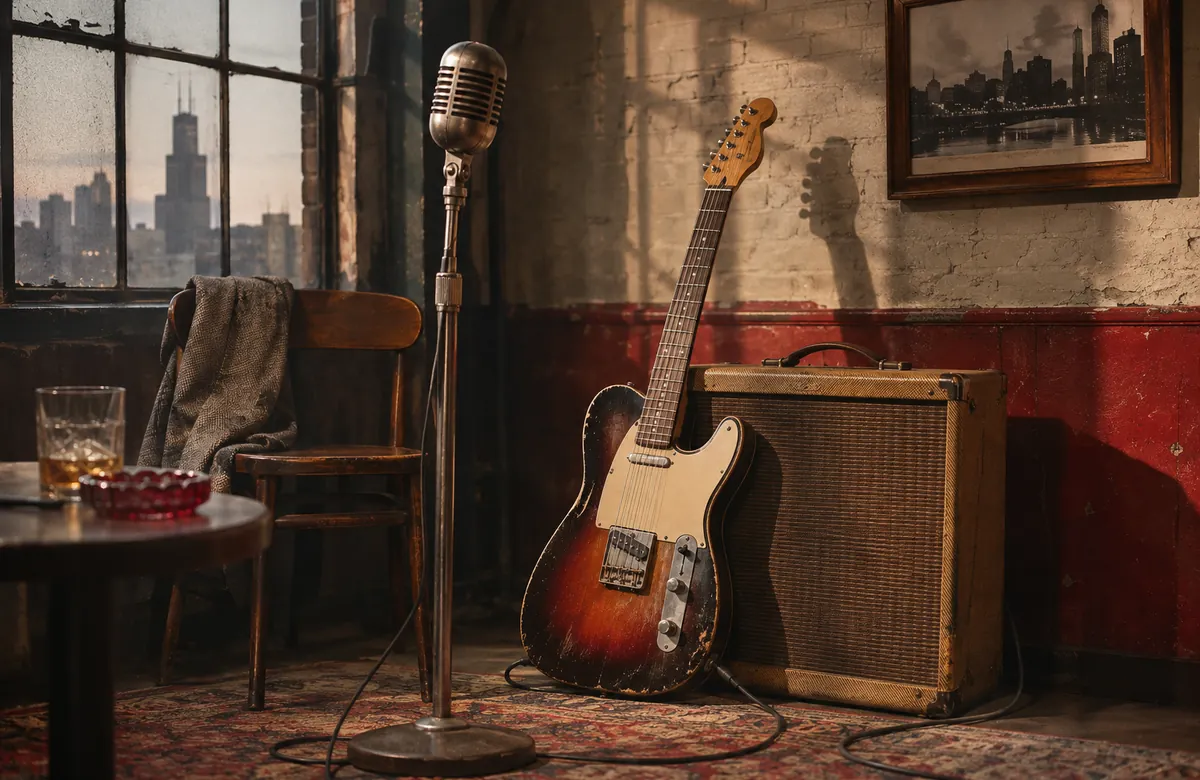
The Chicago blues grew out of migration, recording rooms, amplified instruments, and neighborhood clubs. Its sound remains a living musical language.
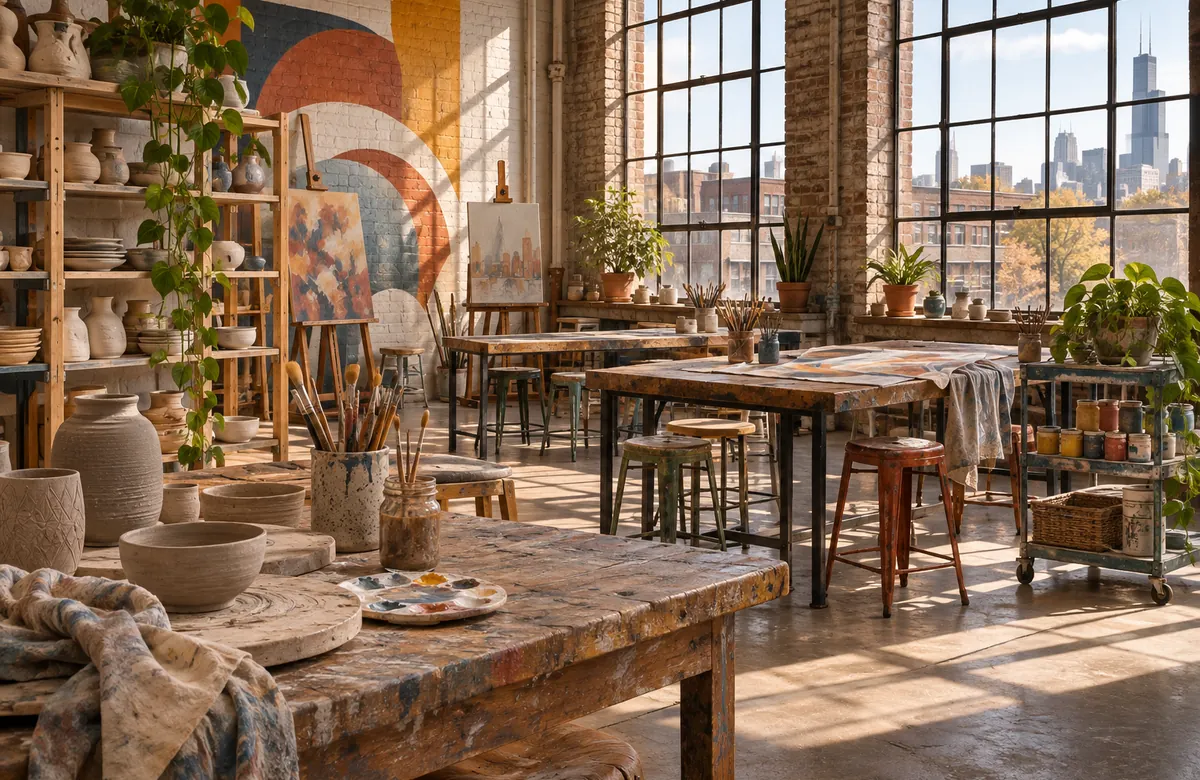
The Hyde Park Art Center and its Chicago peers connect exhibitions with classes, workshops and working artists, making art part of ordinary neighborhood life.
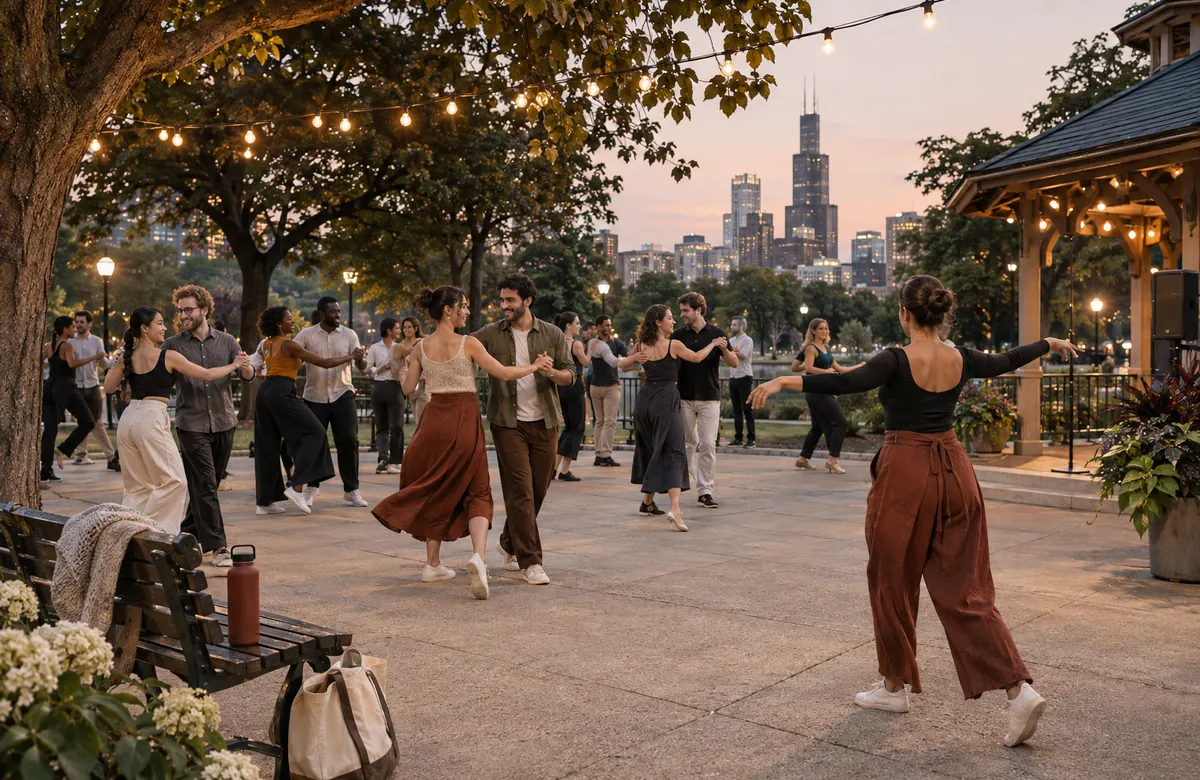
Chicago's professional dance companies and public SummerDance programs invite different encounters with movement, rhythm, and shared physical space.
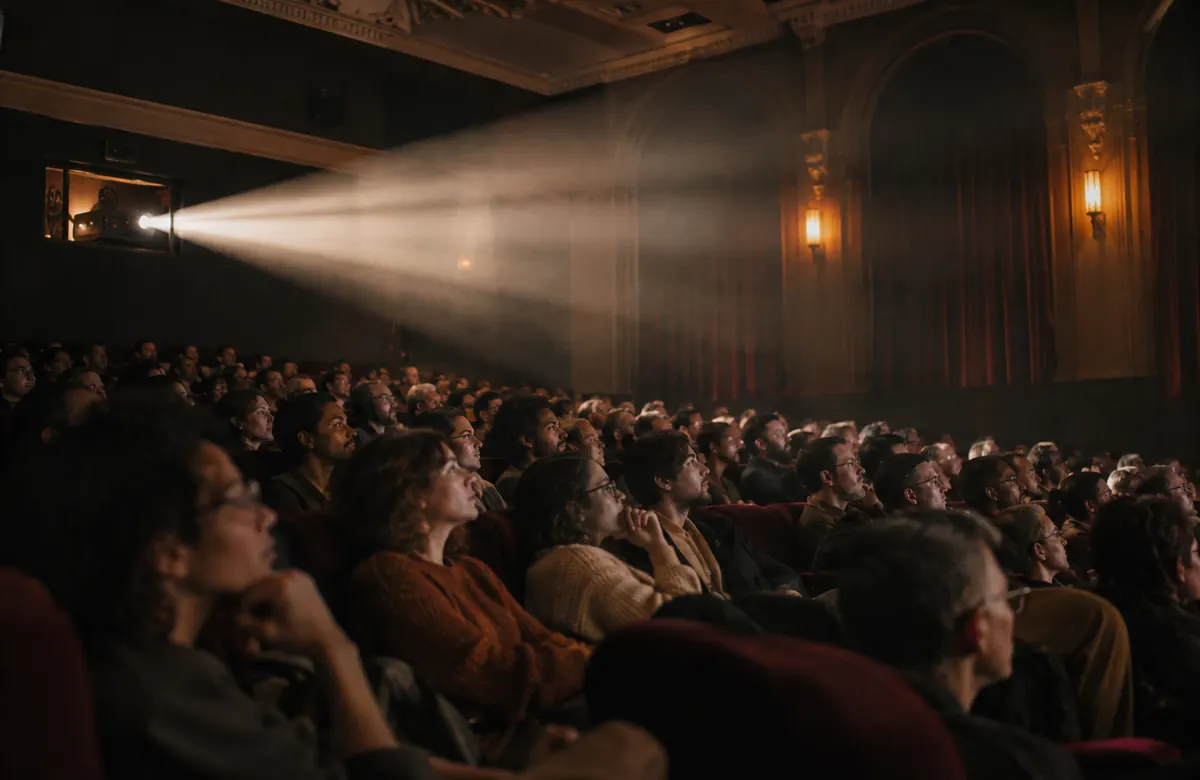
Chicago's film festivals have spent decades bringing unfamiliar cinema to local audiences. The 2020 festival tested that tradition under new conditions.
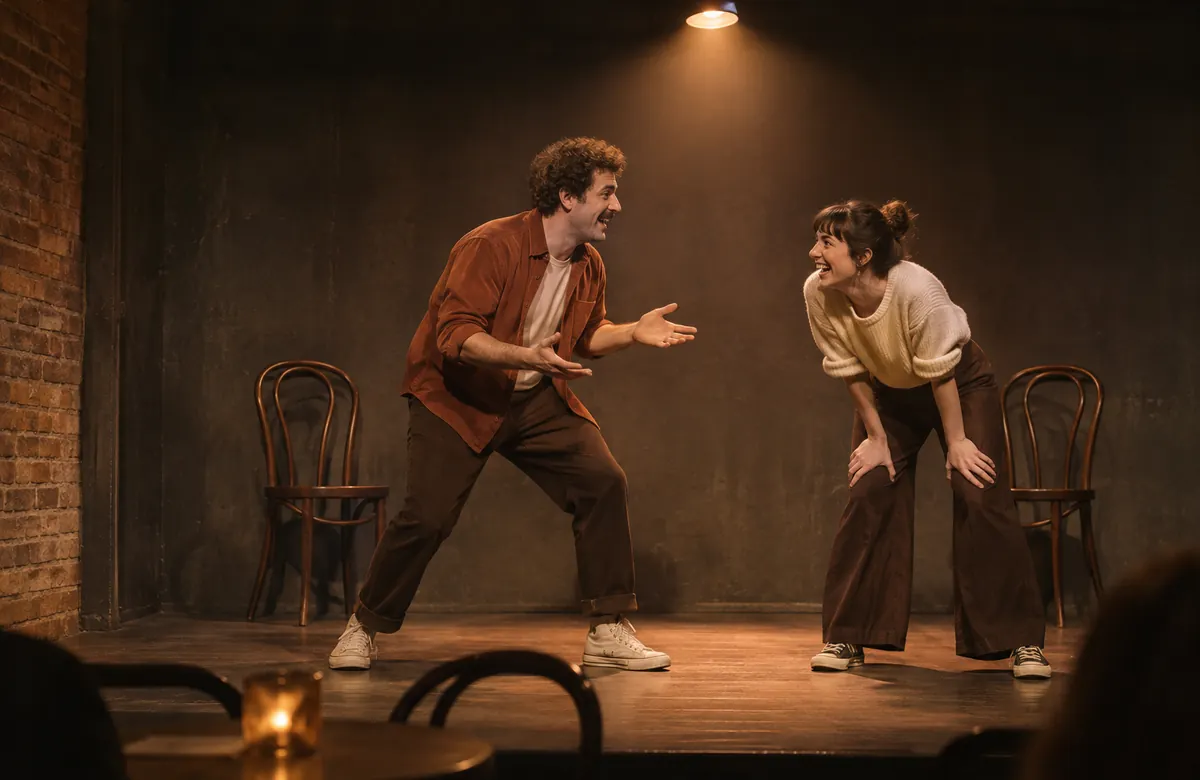
Chicago’s improvisational theaters offer an unusual education in listening, shared attention, and the creation of comedy without a predetermined script.
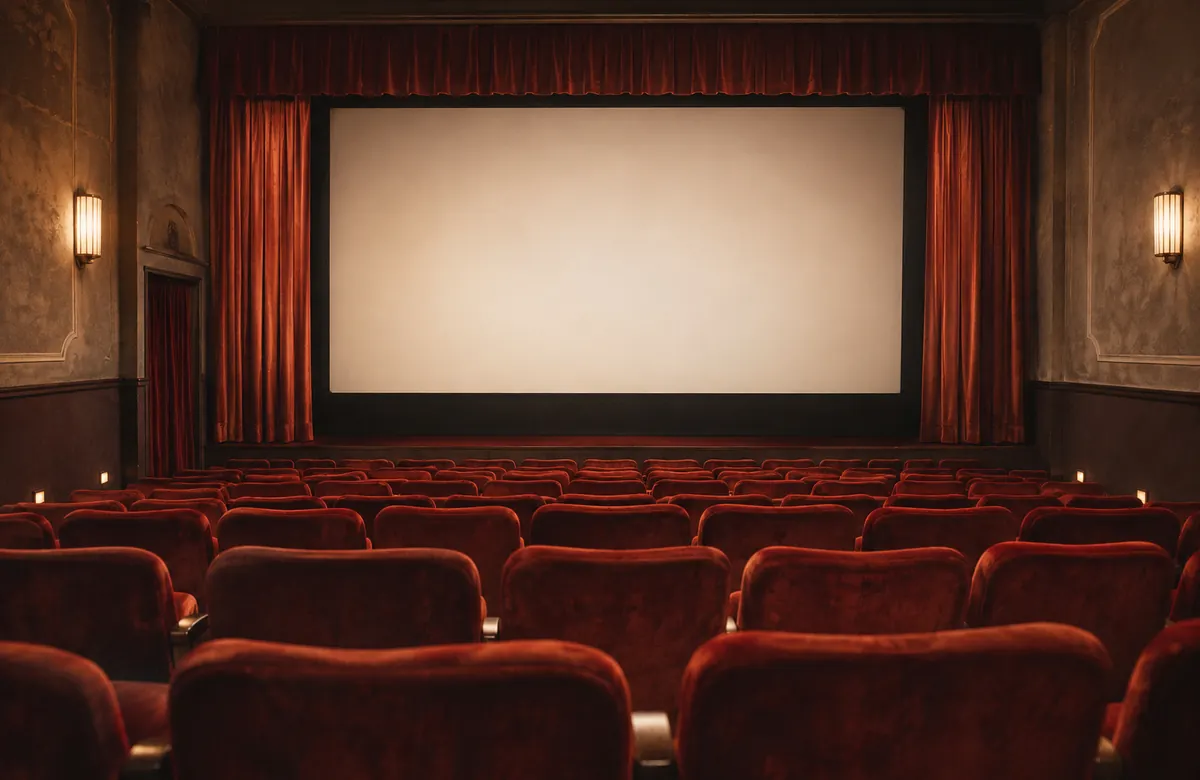
A visit to Chicago's art-house theaters reveals why independent exhibition, repertory programming, and film projection still matter in the streaming age.
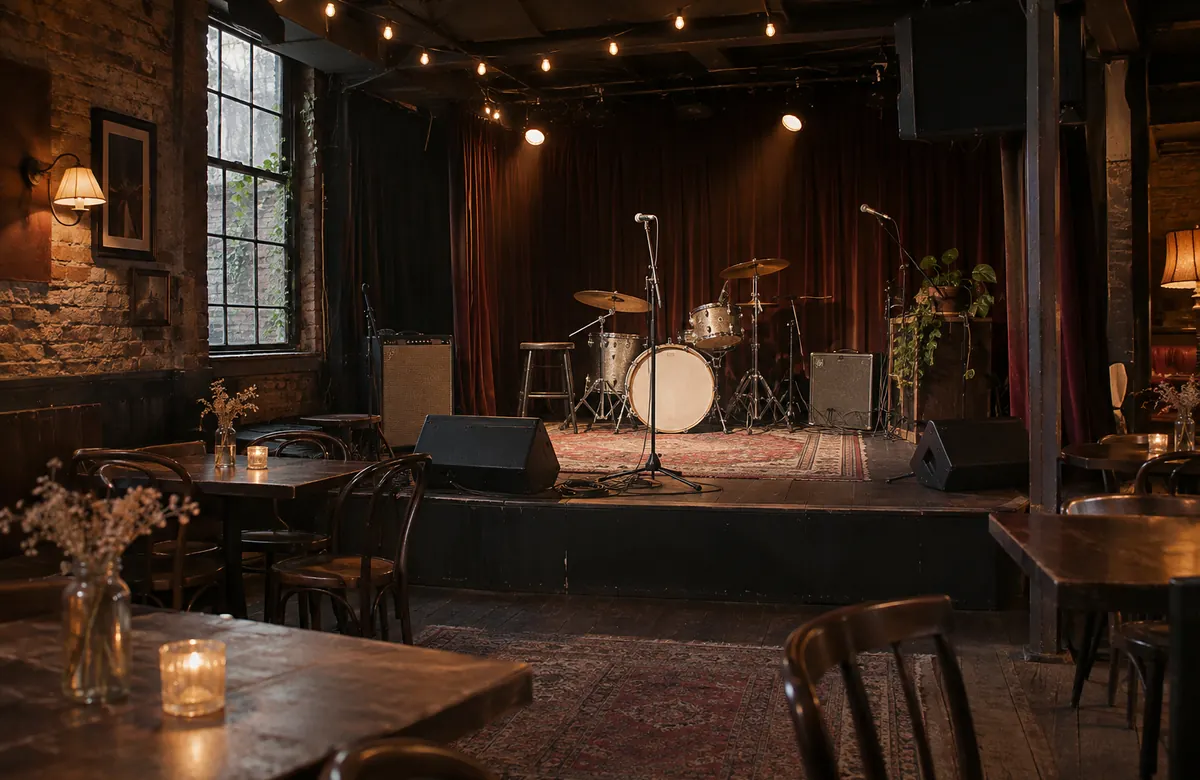
From the Empty Bottle to the restored Thalia Hall, independent venues help Chicago musicians make connections with audiences over the course of a career.
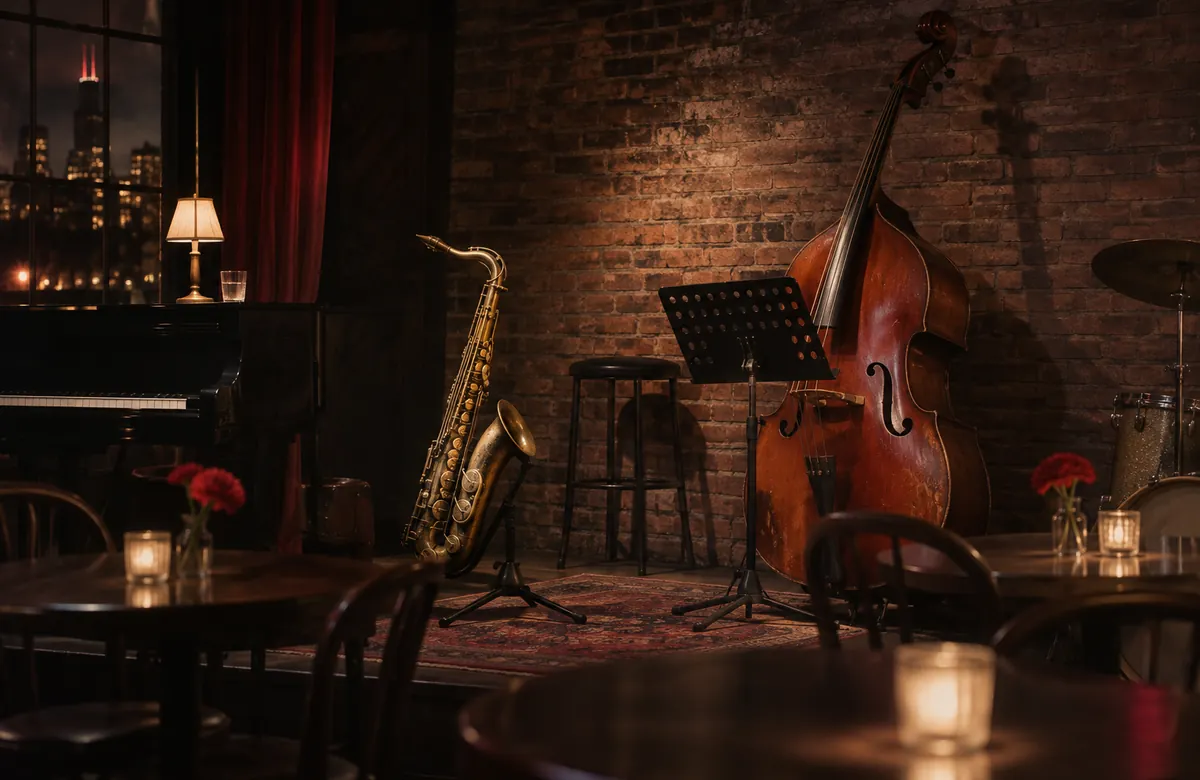
From historic South Side jazz venues to modern club sessions, explore the Chicago tradition of listening, improvising, and making music together.
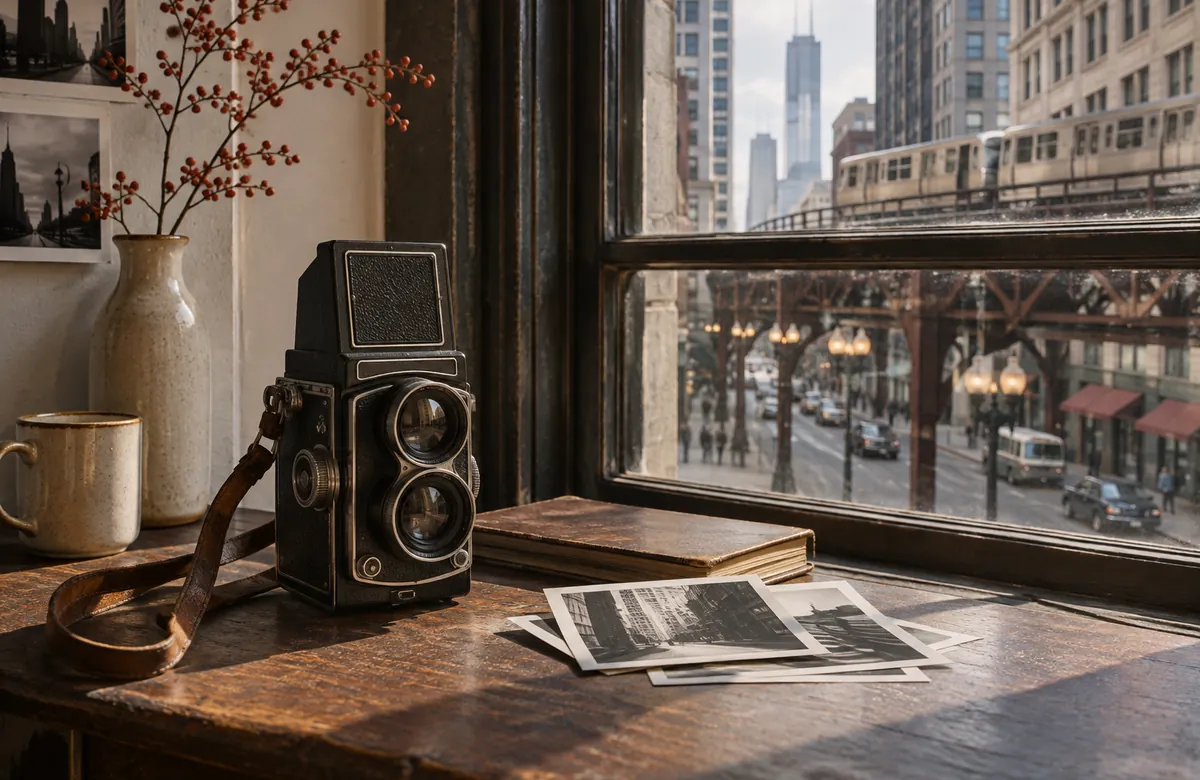
Vivian Maier's work invites a closer reading of ordinary public life, from reflections and passing gestures to the responsibilities of the street photographer.
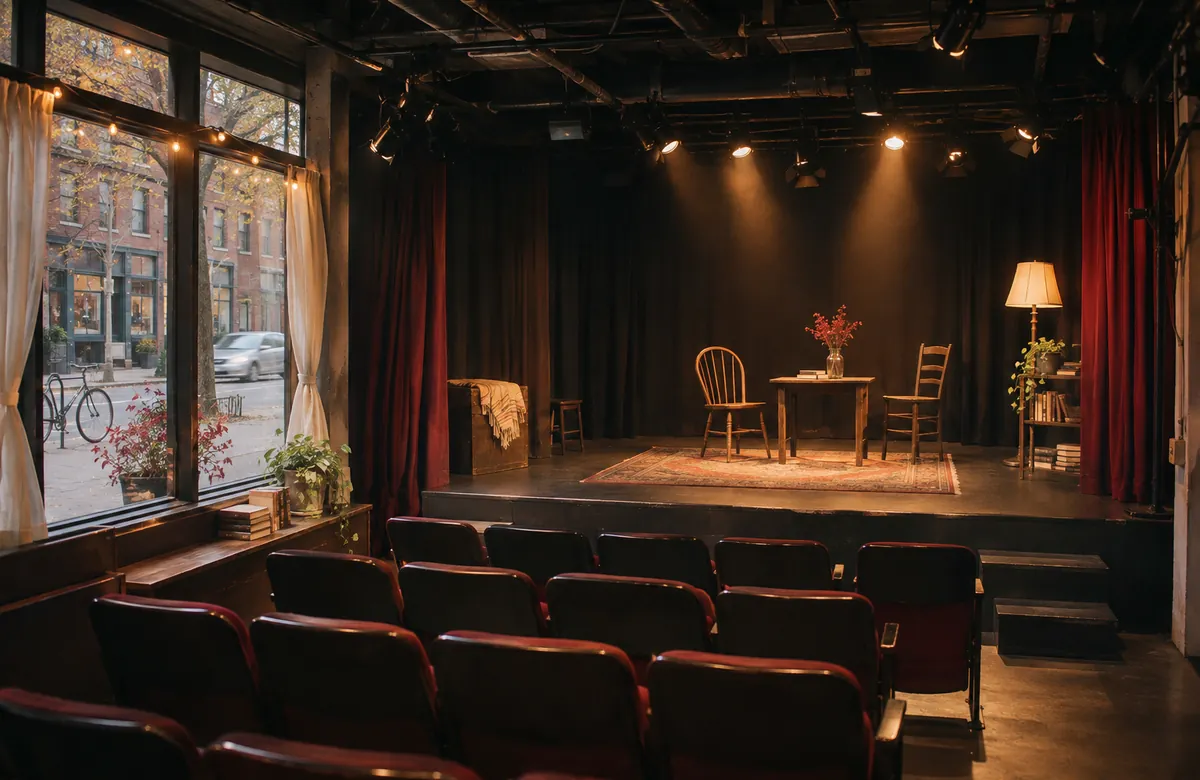
A closer look at the small Chicago theaters where actors, directors, and neighbors have made intimate, ambitious drama from 2012 to the present.
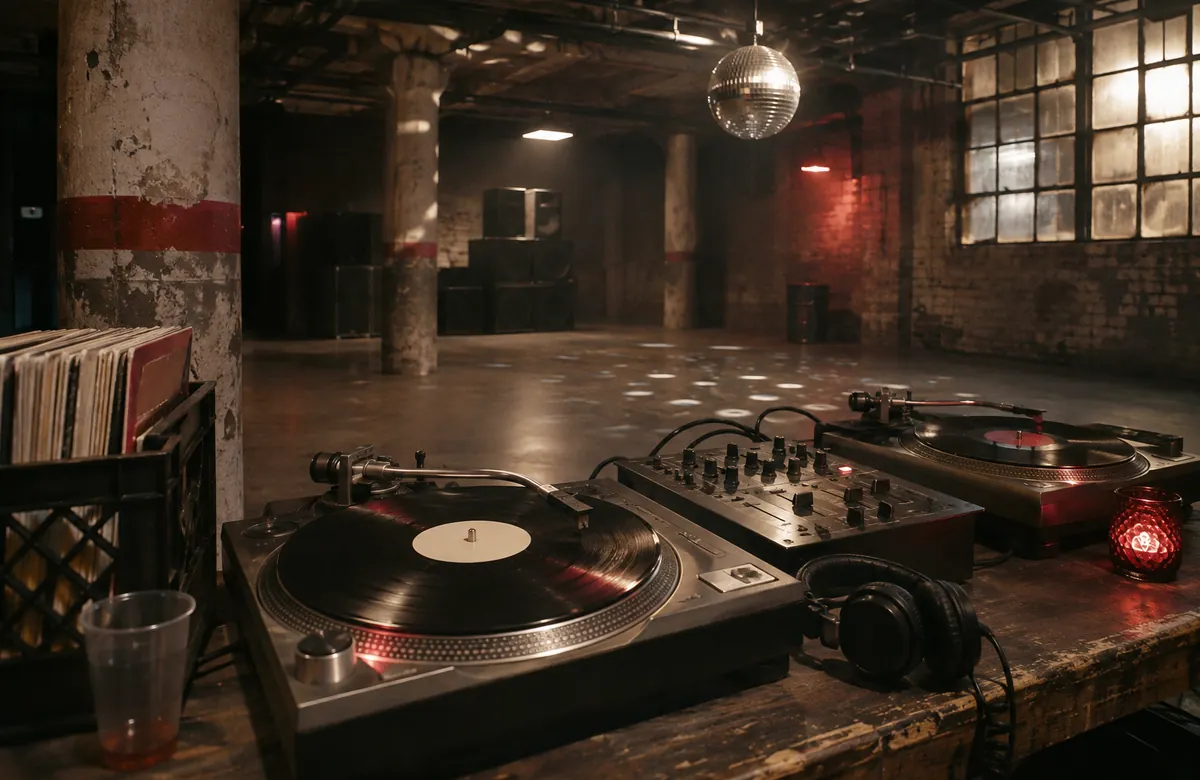
Chicago's house music grew on dance floors long before it spread overseas. The Warehouse's landmark designation offers a reason to revisit that story.
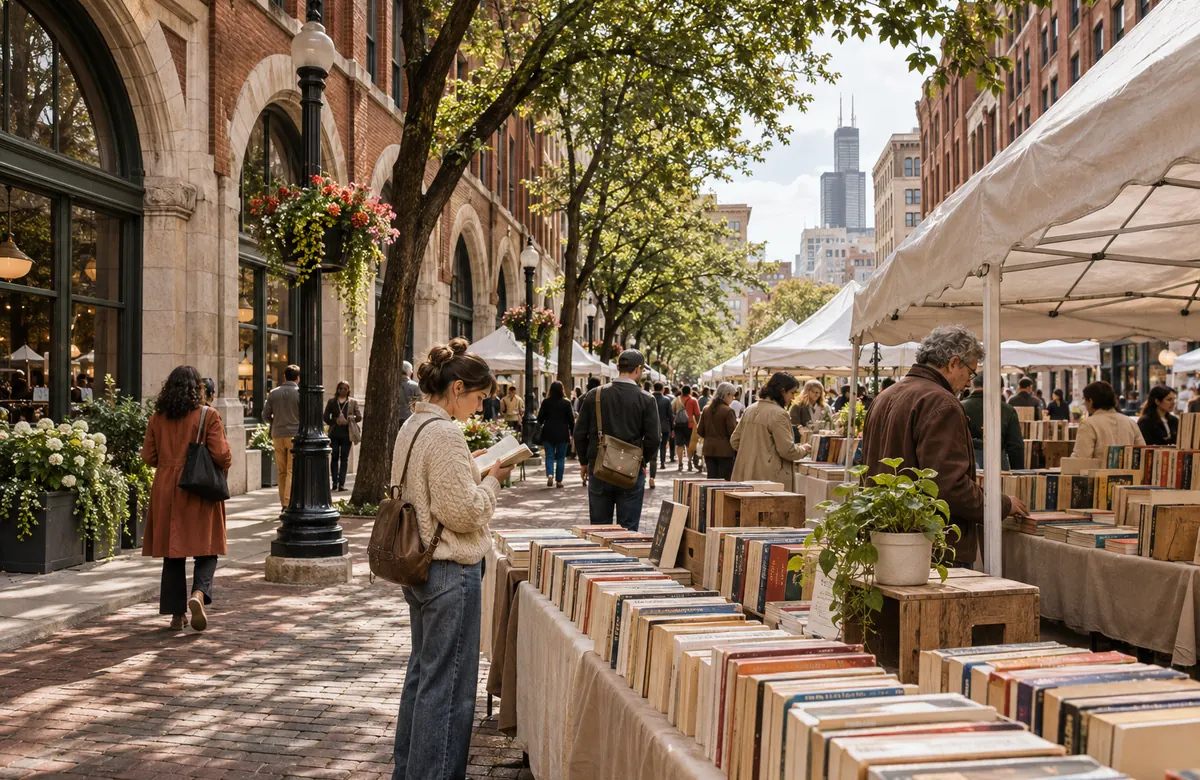
Printers Row’s annual literary gathering makes Chicago's publishing history unusually tangible, bringing readers, booksellers, presses and authors together.