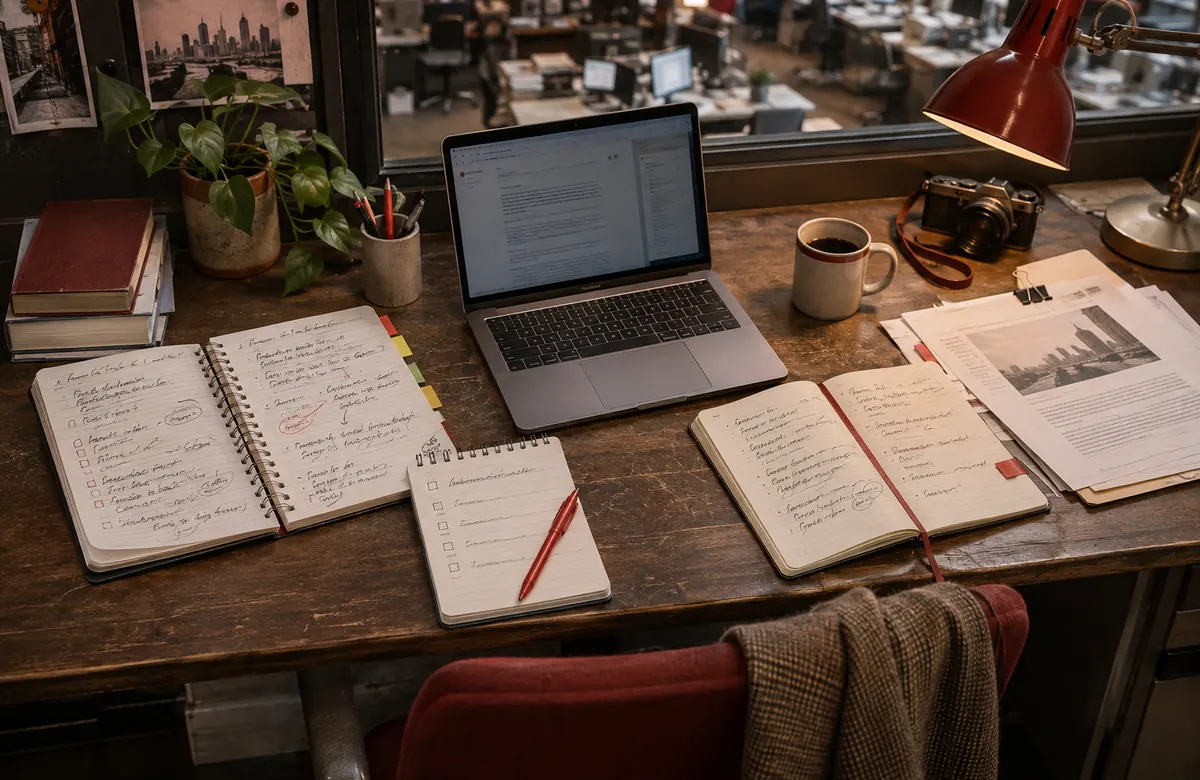
A message arrives describing a dramatic development at a neighborhood institution. The sender says they saw an internal document, knows someone affected and can explain what happened. A second person on social media seems to confirm the account. Within an hour a reporter has what appears to be a convincing story.
The two messages might originate from the same conversation. The internal document may be a preliminary draft. A person described as a witness may have arrived after the events in question. All three possibilities change what can responsibly be published.
The process of verifying information is less mysterious than it sounds. It involves identifying the individual claims, determining how somebody came to know them, and looking for records or other observations that support them. Digital communication has shortened the interval between receiving and transmitting information. It has not removed any of those tasks.
Separate the claims inside the tip
An account of an abrupt closure might contain four assertions: a facility stopped admitting visitors on Tuesday, employees had no advance notice, the closure was ordered by a government department and a particular safety problem caused it.
Those claims need different kinds of verification. A reporter can visit the building and note whether the doors are open. An employee may know when a notice reached their own department. An administrative order may establish who authorized the closure. Technical reports and conversations with the people responsible may explain why.
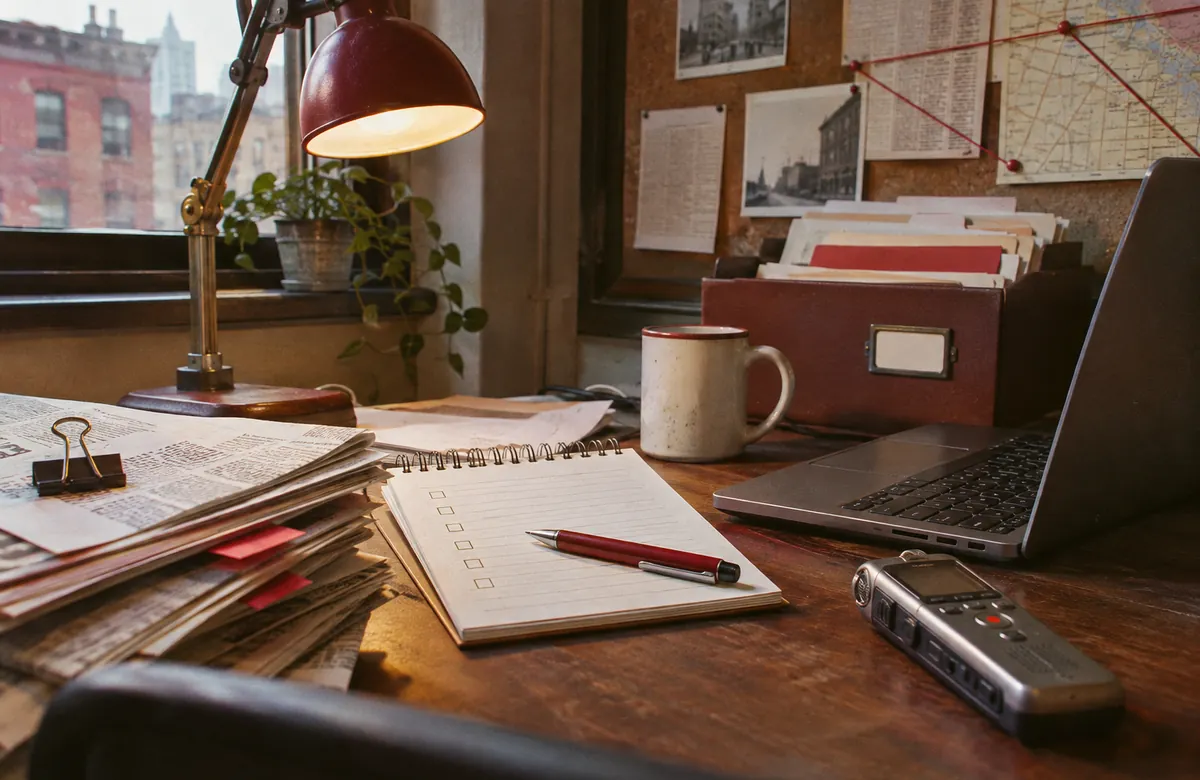
Create a working list. Next to each claim identify the strongest evidence required to establish it. The list will expose assertions that a conversation alone cannot support. It will also reveal which pieces of a tip can be reported while others remain uncertain.
Reporters often make the mistake of spending all their time pursuing an explanation before establishing the event it is supposed to explain. If people disagree about whether a decision has even been made, begin there. The reasons for a possible decision will be a different story from the reasons for a completed action.
Ask people how they know
One simple question changes the quality of a source interview: where did you learn that? Follow it with questions about time, place and the part of the event a person directly observed.
An employee might have overheard a manager say that a contract would end. Another employee may possess the termination notice. Both can be useful sources, but their accounts support different claims. The first knows a conversation took place; the second may be able to document the contents of a notice.
People frequently communicate inference as if it were observation. A source who says a business fired six employees might know that six desks are empty, that somebody removed six names from a schedule or that the employees told them separately about their departures. The reporter needs to establish which.
None of these questions requires hostility. It is possible to believe that a source is sincerely trying to help while recognizing that their view is limited. Ask enough questions to understand that view. If the source is giving information confidentially, explain before publication what the newsroom can reasonably protect and avoid promises that cannot be kept.
Evidence has a history of its own
A photograph can be genuine but misleading. It might depict the correct location on a different date, or show the aftermath of a separate event. A cropped image can hide details necessary to understand the subject. A screenshot of an alleged announcement can omit surrounding messages or come from a practice account.
Seek the earliest accessible version. Ask its creator when and where the material originated, whether it was edited, and what occurred immediately before and after the moment shown. When the image is important, look for features in the scene that can be checked against known information.
If a video shows a crowd near a recognizable Chicago landmark, examine the location, the surroundings, the weather and available information about the event. Individually, these observations may be inconclusive. Together they may support or contradict the claimed time and place.
Automated methods can help organize this work, but they have limitations. A reverse image search may locate an older copy without identifying the original photographer. A metadata field may be absent because a platform removed it. Metadata can also be inaccurate or altered. Do not award any one clue more certainty than it deserves.
The same reasoning applies to recordings generated or altered with modern tools. A plausible voice is not enough to establish who spoke. Obtain the original recording and seek independent confirmation of the conversation before attributing consequential statements to a real person.
Are the sources really independent?
A tip circulates through a network. Someone tells a friend, who tells an association representative, who informs a reporter. By the time it reaches the newsroom, five people may describe the same concern with slightly different details.
That does not make it five independent reports. Ask each source how they acquired the information. Draw a simple diagram of the path if the story is complicated. Mark the people with direct access to the event and distinguish them from people who received the account secondhand.
Imagine a claim that a neighborhood theater has lost a lease. A performer heard the news from an organizer. The organizer learned it from someone who saw a draft letter. A person working for the building's owner says the lease remains in place. The apparent number of people who know about the termination is less important than the underlying documents and the status of negotiations.
Seek a record that exists independently of the rumor. The parties may provide notices, correspondence or public filings. If the documents do not yet exist or cannot be obtained, narrow the article to facts that have been established.
Make a final check before publication
Reading the story aloud can reveal a sentence that sounds more definite than the notes support. Editors can ask reporters to explain the evidence for individual key assertions rather than asking generally whether the article has been verified.
Check names, chronology, numbers and locations. Review whether all significant quoted passages have accurate attribution. Read statements from the people criticized in the piece in their full context. If they have provided records that contradict the reporting, address them instead of treating a denial as a routine paragraph to append at the bottom.
The editing process should also test what is not said. A sentence describing a facility's closure shortly after a funding dispute may unintentionally imply that the dispute caused the closure. Establish a connection before writing that implication into the story.
There is rarely a neat finish to an investigation. Some questions will remain unresolved. The article can identify those gaps explicitly. A carefully bounded account often offers readers more value than a confident narrative with a weak foundation.
It is worth preserving an internal verification record. Keep original messages and documents, note the circumstances under which they were obtained and distinguish material intended only for background from material that may be published. Treat sensitive personal details with appropriate care.
A false claim can travel far more quickly than the correction that addresses it. That fact gives extra importance to the minutes spent asking the uncomfortable follow-up question, requesting the original file or checking the date. Verification is the work that converts a promising story into something readers can rely on.