An email newsletter arrives among receipts, appointment reminders, and notes from acquaintances. Its reader may encounter it while waiting for a bus or after finishing work, with no intention of spending much time exploring a publication's website. This differs from the experience of opening a printed magazine or visiting its main page. A useful editorial newsletter recognizes the circumstances in which people read it. It makes its subject apparent, provides enough information to be worth opening, and allows a reader to decide which longer articles deserve their time. A publisher can make that experience more dependable through a clear editorial purpose and a sensible production routine. Elaborate formatting is unnecessary if the message does not help the reader understand what is inside.
Define what an issue delivers
An editorial email may provide a weekly account of local developments, collect recent articles on a particular subject, or offer a short essay available to subscribed readers. These are different editorial products. A reader of a weekly cultural digest might expect enough information about exhibitions and performances to decide which merit further investigation. A reader of a letter about journalism might be interested in one carefully developed argument about an aspect of reporting. Choose a format that the publication can maintain and make its purpose clear at the point where people choose to receive it. A newsletter covering too many unrelated subjects can become difficult to recognize. That does not mean every issue must contain the same sections, but readers should understand what sort of material they have agreed to receive.
Start the message with useful information
The first paragraph should help a reader understand why the issue exists. A cultural digest might open with a particularly interesting development that the rest of the message places in context. A newsletter accompanying a set of magazine articles might explain what question connects them. Avoid giving most of the opening over to greetings and general statements about how pleased the publication is to present another issue. Readers can appreciate a distinct editorial voice without being required to read an elaborate preamble every week. If an issue includes important information about a changed date or a correction to an earlier account, put that information where readers will encounter it readily. The organization of the message can communicate which subjects deserve immediate attention.
Make subject lines accurate
A subject line should help a recipient anticipate the contents of the message. Identify the central item or topic instead of relying on an expression of surprise or a promise that will not be fulfilled. The author of a letter about the costs of producing a small magazine may have an interesting point about printing arrangements. Naming that subject gives readers a clearer reason to open the message than announcing a secret about publishing. Keep the useful words near the beginning, since the visible space differs across devices and applications. If the newsletter includes a regular identifying phrase, establish a consistent arrangement for it. A series label is useful when recipients can recognize the title and still distinguish one issue from the next. Check the subject line against the contents again immediately before sending, particularly if the lead item has changed.
Build sections that work in an email
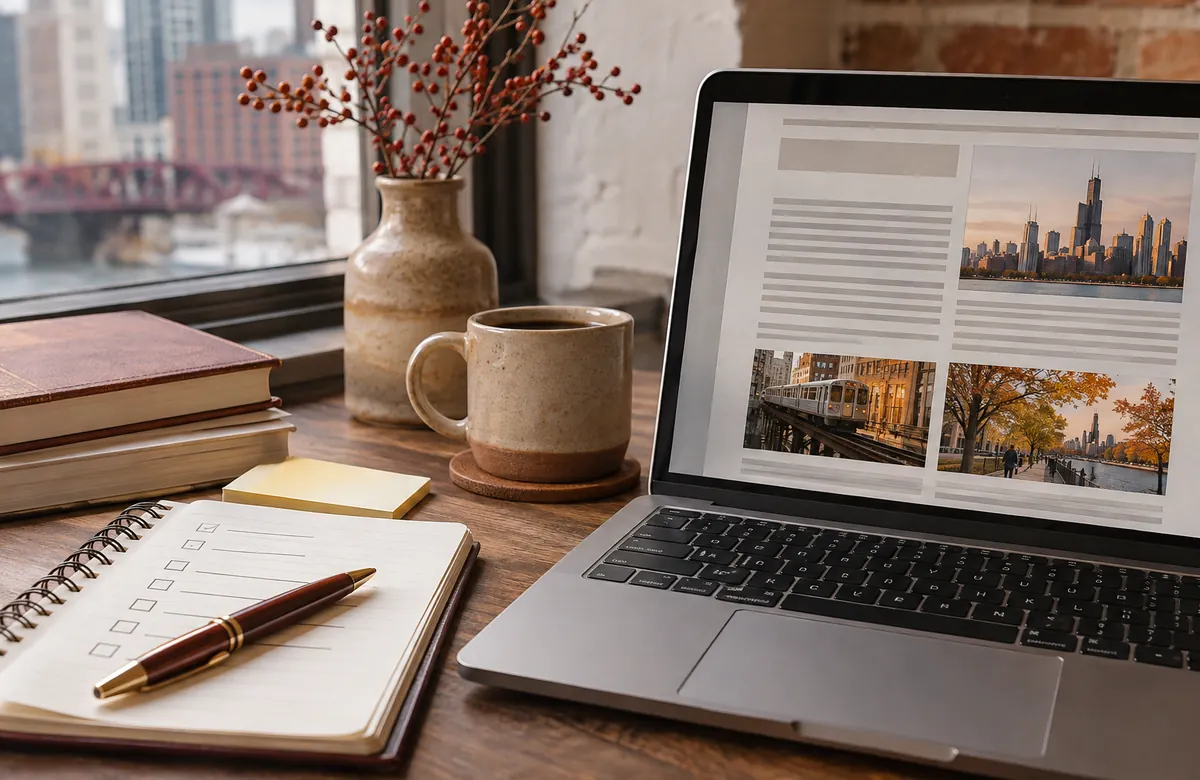
Readers should be able to distinguish short notes about different subjects and identify where a longer passage begins. Use descriptive headings when the arrangement calls for them. A short paragraph of context followed by the title of a relevant article may work well in a digest. For an original essay, repeated divisions into very small sections may interrupt the development of the argument. Keep the arrangement appropriate to the material instead of attempting to make every issue resemble a promotional campaign. Use a narrow, readable text area and test how the message appears on a small screen. If illustrations are included, they should support the editorial material. A message must remain comprehensible when the images cannot be displayed. Supply meaningful alternative text and ensure that captions and images are in the proper relationship.
Treat any invitation to read additional material as part of the editorial service. Describe the article so that a reader can make an informed decision before opening it. Copying an intriguing fragment that conceals the identity of the subject is of limited use. Make the destination distinguishable from other elements of the email. Check that it works and that the article has actually been published. For a reader looking through older messages, stable titles and sensible descriptions can make the email archive a useful way of finding a particular piece. Avoid placing so many invitations next to one another that individual articles become difficult to recognize. A small number of thoughtfully selected items can be more helpful than a complete inventory of everything a publication has released.
Choose a frequency the editors can maintain
Work backward from the intended publication day to determine when the issue needs to be assigned, written, reviewed, and prepared for sending. If the newsletter depends on recent reporting, leave time for material that changes or requires further verification. A review procedure that is manageable for a monthly essay may be inadequate for a frequent news digest. Begin with a rhythm that the team can reliably sustain. Give recipients a reasonable expectation of how often they will hear from the publication. When circumstances warrant an unusual issue, explain what distinguishes it from the ordinary letters. A schedule exists to help editors plan and readers decide whether they want to subscribe. It should not force an editor to send an incomplete account merely because a certain hour has arrived.
Respect the recipient's decision to receive email
Maintain a clear distinction between people who have chosen to receive the newsletter and people who have expressed interest in some other activity. A person purchasing a magazine or attending an event has not necessarily asked for a continuing series of editorial messages. Follow appropriate consent arrangements and provide a straightforward way to stop receiving the email. Maintain reliable records of the subscriptions required to operate the newsletter and avoid collecting unnecessary personal information. When working with a sending service, understand how it handles the addresses, preferences, and other information entrusted to it. Access to subscriber records should be limited to the people who need it. Attractive design and a popular subject cannot compensate for an arrangement that disregards the recipient's choices about communication.
Interpret audience measures with care
Publishers can examine whether messages are delivered, whether recipients interact with them, and whether readers choose to continue receiving them. Each measure answers a different question. Some email applications and privacy features influence the information available about opening and viewing a message, so a reported open should not automatically be interpreted as proof that a person read the editorial material. A visit to a linked article may indicate interest in a particular subject, though it does not establish whether the reader finished it. Compare the results of issues with similar purposes rather than expecting every type of piece to produce the same pattern of activity. A thoughtful essay may invite a different response from a digest that directs readers to several separate articles. Combine numerical observations with the editor's assessment of the work and feedback voluntarily provided by readers.
Make the review process ordinary
Before sending an issue, read the actual prepared message, including its subject line, heading, descriptions, and footer. Verify names, figures, dates, captions, and any claims that depend on recent changes. Check that a reader can find the controls or information needed to manage their subscription. Test the message on more than one type of screen where feasible. Confirm that any scheduled delivery reflects the intended issue and audience. Keep a copy of what was sent, along with the arrangements necessary to identify it later. If a material error appears after sending, consider how to provide an appropriate correction to the people who received the original account. A correction on the magazine's website may not reach somebody who encountered the claim only in their inbox. A dependable newsletter develops through hundreds of small editorial and production decisions, all guided by a simple consideration: whether the next message will be useful to the people who chose to receive it.