A headline has little room to explain itself. A reader seeing it in a magazine's table of contents or on a small screen decides whether the story is relevant without seeing the full argument. This makes it tempting to promise more than the reporting delivers. An editor might turn an article about a single proposal for a neighborhood arts space into a claim about the future of culture throughout the city. The broader version may attract attention, but it gives readers a mistaken understanding of the subject. An effective headline establishes what the article is about and provides an honest indication of what they can expect to learn from it. Clarity does not prevent a title from being interesting. Specificity often supplies the interest that general claims lack.
Find the information a reader needs first
Review the article before composing a final headline. Identify the person, place, question, or development that distinguishes it from other work on the subject. A review of an exhibition might concern the photographer's treatment of family photographs rather than the fact that the exhibition has opened. A report on a museum's budget might focus on a change in operating hours rather than on the institution's entire financial history. A title naming the appropriate aspect serves readers better than a general reference to change. Put words that help people recognize the subject toward the beginning, especially when those words identify an unfamiliar location or work of art. Avoid beginning with an empty phrase followed by the useful information that might disappear if the headline is shortened in another presentation.
Establish what actually happened
An article's headline is subject to the same factual standards as its text. Pay attention to verbs. A plan that officials have proposed is different from a plan that has received approval. An institution that has discussed selling a building has not necessarily agreed to sell it. In a report about a changed transit schedule, identify whether the change has been implemented or remains a possibility. Editors should be particularly careful when using a verb that assigns an intention to somebody. A person who opposed one element of a proposal may not have opposed the entire proposal. Return to the source material if the meaning is uncertain. The additional word required to identify the status of a decision often contributes more to a headline than an adjective intended to make the subject appear important.
Match the geographical claim to the evidence

A reported story can reveal an interesting circumstance in one district without establishing what is happening throughout Chicago. Describe the area that the article actually examines. A headline about vacant storefronts on one commercial street should not become a declaration of what is happening to every small business in the city. If the reporting draws on several locations, review whether the evidence supports a broader claim and describe its scope properly. A feature may deliberately explore a subject through one person's experience. Naming that individual or their occupation gives readers a useful indication of the form of the article. Readers interested in that specific experience are not necessarily interested in an unsupported argument about society as a whole. Geographic and social precision make the headline more informative.
Treat questions as editorial commitments
A headline framed as a question can work when an article seriously investigates the matter it raises. If a feature asks why a building remains empty, the reporting should make some attempt to explain that circumstance. An unanswered question at the top of a piece that merely describes the structure is misleading. Avoid using a question to imply an accusation that the article could not support as a statement. Background and context will not necessarily remedy the impression created by the headline. A more precise question can often be identified by reviewing the evidence presented in the story. When an explanation is well established and uncomplicated, a straightforward statement may be more useful than a question. Readers should not have to open an article to learn an elementary fact that could have been stated in the title itself.
Use a two-part structure when it helps
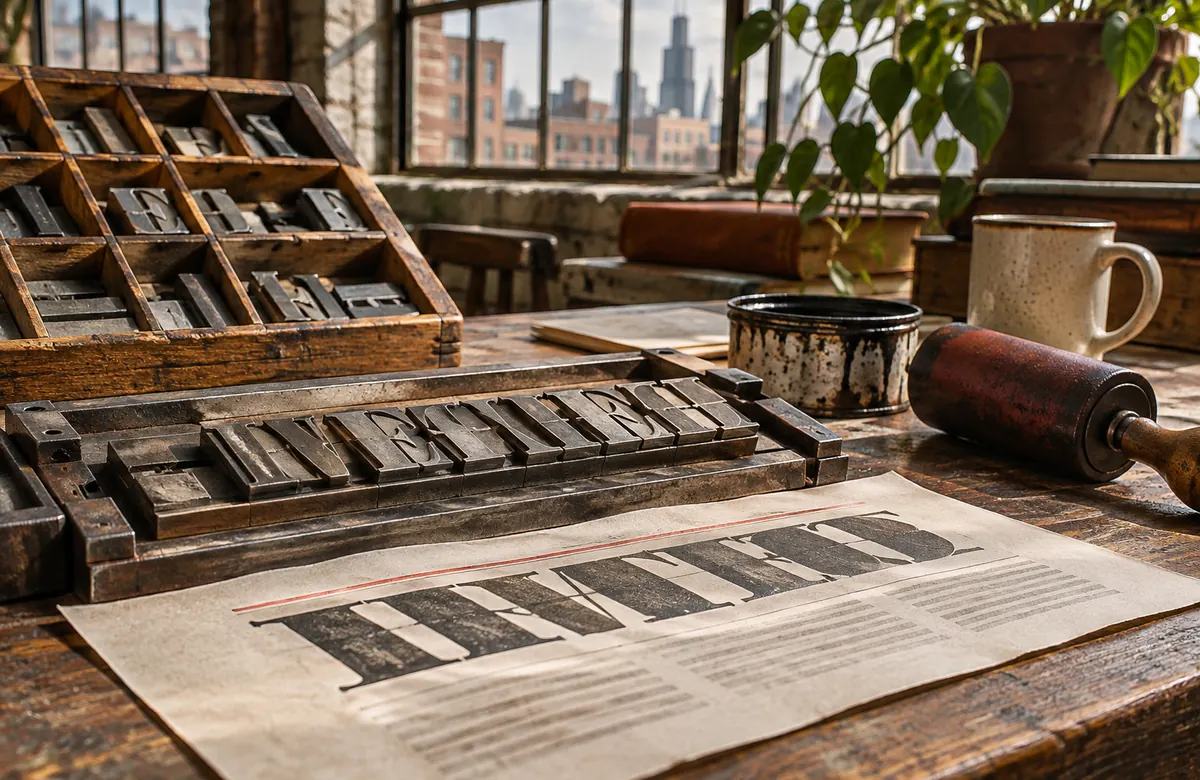
In a magazine, the headline and introductory description can work together. A short title may identify the central subject, while a brief line underneath gives readers the circumstances or the question to be explored. If a long title becomes crowded with dates, proper names, and qualifications, determine which information belongs in each position. The title should remain intelligible when displayed separately. The accompanying description can develop it without merely repeating the same words in a different order. Consider a hypothetical feature about an old print workshop returning to use. The headline could identify the workshop and the nature of the change; the description might explain that the article follows the people repairing its presses. Together these elements establish both subject and approach. Each has a distinct purpose.
Different presentations may impose different space requirements. A printed magazine's cover might carry a shorter label than the article itself. A search result or small card may have limited room for text. Maintain the same factual promise even if a shorter form is needed. Do not substitute a sensational claim because it fits more easily. Check that an alternative title still identifies the topic and does not turn an observation into a generalization. When the headline contains an unfamiliar name, determine whether a descriptive phrase could identify the role of the person or institution more effectively. For articles with recurring columns or series, establish a consistent way to display the series label without making every new headline indistinguishable from preceding ones.
Keep the tone appropriate to the article
A reported profile, a review, and an explanatory piece permit different voices. A review may express a writer's considered judgment, and its headline can reflect that. A straight report should not adopt a stronger conclusion than the evidence establishes. An elegant phrase can work for an essay when its meaning becomes clear from the subject or accompanying description. In a report about a matter with serious consequences for residents, clarity has particular value. Avoid wordplay that makes the circumstances of other people sound trivial. Read the headline aloud and compare its emotional tone with the material it introduces. Removing an unnecessary superlative or dramatic verb often leaves room for a more interesting factual detail. Tone is a matter of editorial choice, while evidence places limits on that choice.
Check the names and relationships
Verify the spelling of names, the designation of places, and the titles of artistic works. A misspelled name in a headline is particularly easy to repeat elsewhere. Check possessive constructions and compressed phrases for unintended meanings. A title that joins two organizations without explaining the connection can imply a partnership that does not exist. A person described by a former professional role may no longer hold it. If an article uses a direct quotation in the headline, consult its source and check that the quotation retains its context. Avoid using striking fragments merely because they fit. When titles refer to developing events, check that the status has not changed during the production process. A correction made in the article will do little good if the earlier wording remains in the prominent title.
Read the finished headline without the article beside it
Give a colleague the title and accompanying description before showing the text. Ask what story they expect to encounter and which facts they believe have been established. Their answers may uncover ambiguity that is invisible to the person who has been editing the article all day. Then let them read the piece and consider whether the central promise was fulfilled. This test can be performed quickly even in a small publication. It respects the conditions under which readers actually encounter headlines. The title should help them choose among stories, recognize a piece that relates to their interests, and locate the article again if they need it. A headline that achieves these tasks without encouraging a mistaken interpretation is doing significant editorial work in a remarkably short space.