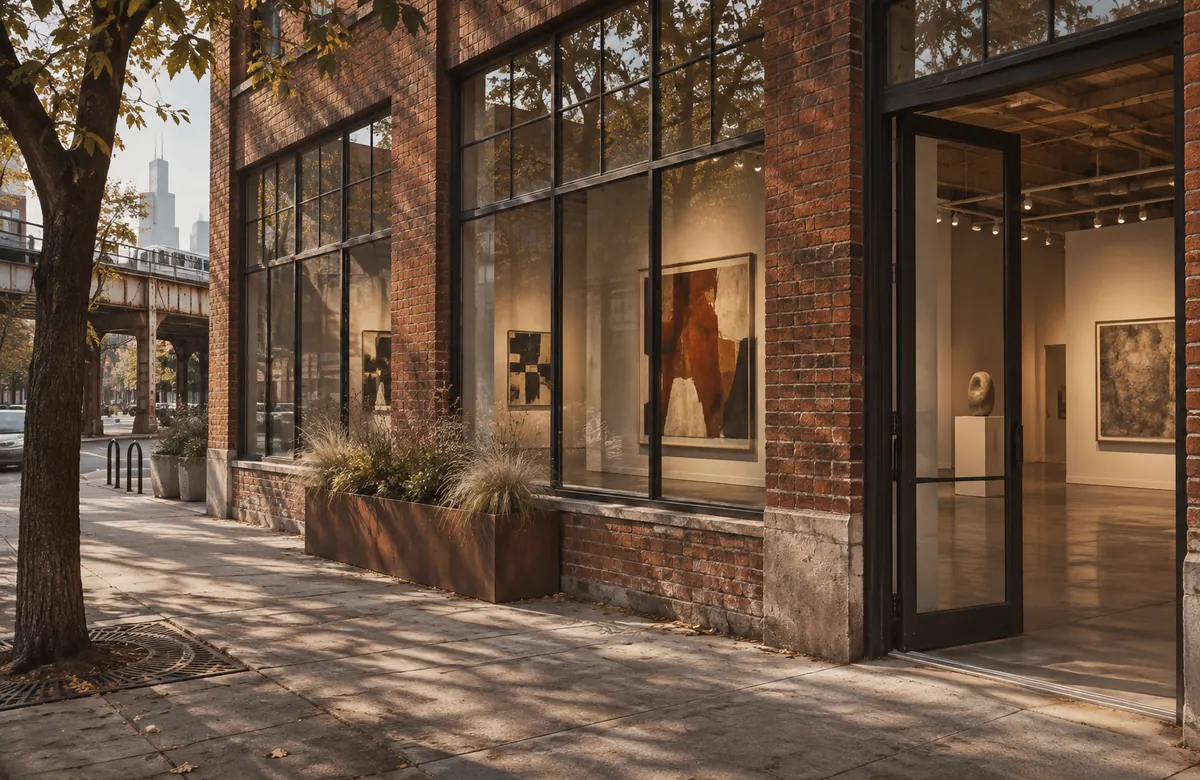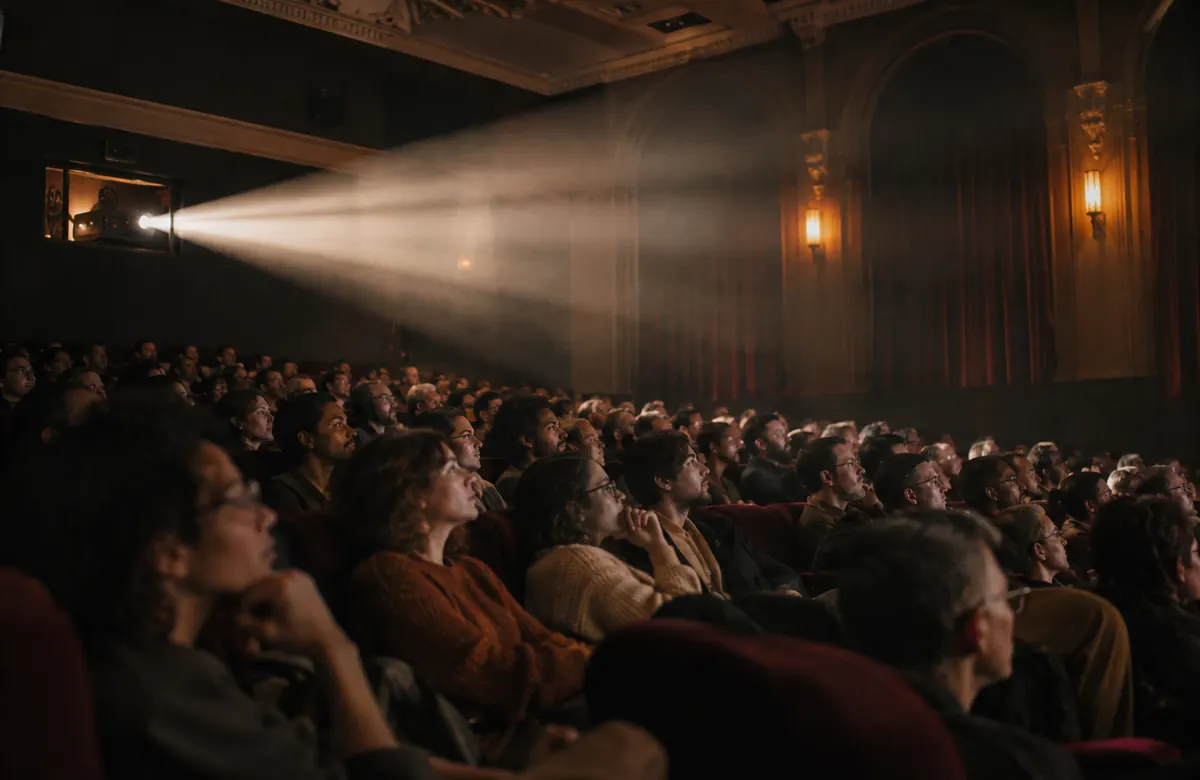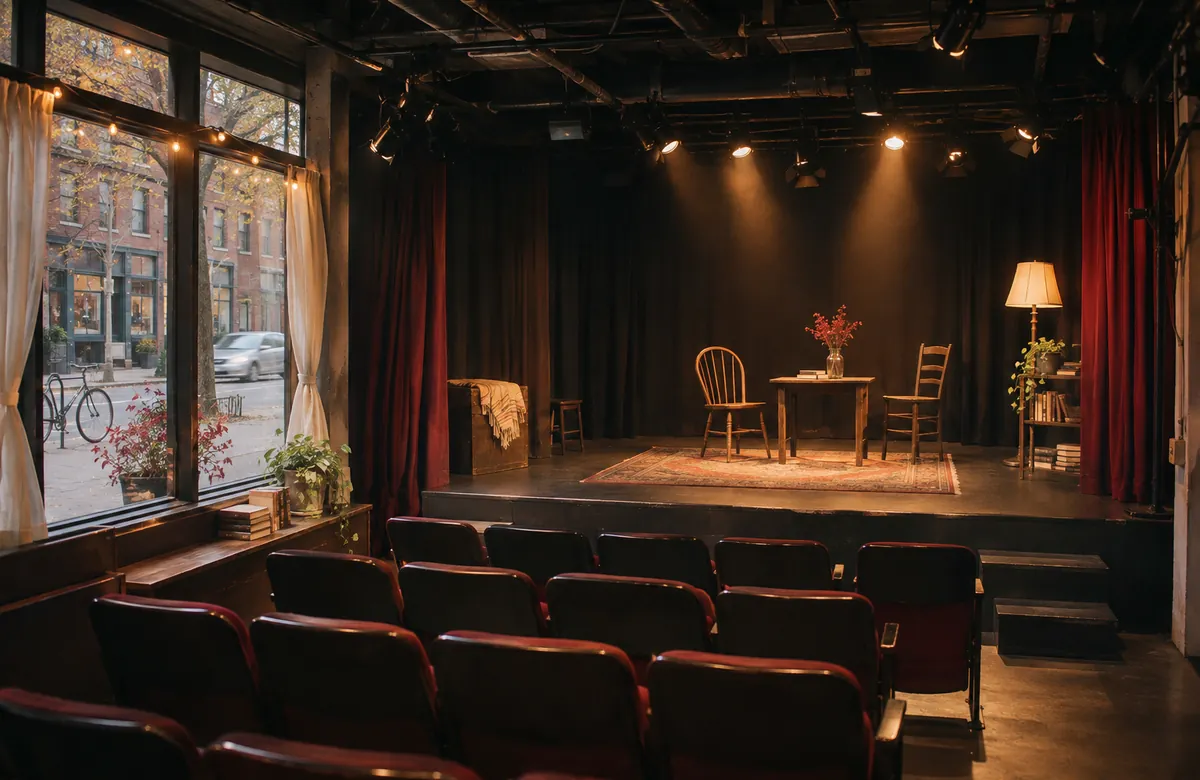
The architecture of some of Chicago’s best theater is not immediately recognizable as architecture for theater. A visitor might see a window looking out on a busy commercial street, a pair of doors, a sandwich shop on one side and a narrow staircase on the other. Inside, the seating arrangement may be no more elaborate than a set of risers. The actor enters from a distance that would be considered unusually short in a large auditorium. The lights go down, and the audience suddenly has an enormous amount to pay attention to.
Chicago's storefront scene is part of a local system of performance as much as it is a design aesthetic. A small company can begin in a room that was not intended for plays, work with actors it already knows, build a set with modest materials, and invite an audience to sit close enough to witness the smallest hesitation in a line. Economic limitations inform the result. They need not determine the scale of its artistic ambition.
Making a play without a palace
The conventional stage is an efficient way to deliver a commercial production to hundreds of people simultaneously. A storefront works almost in reverse. The available room is small, the possible number of tickets limited and the connection between performer and spectator unusually direct. If the director wants a scene to take place in a kitchen, it may be possible to build the kitchen at nearly its actual size. If a play involves an uneasy family meal, the spectators may have the uncanny feeling of occupying empty seats around the table.
Such decisions do not automatically make a production better. What they do is eliminate certain convenient theatrical shortcuts. A gesture that looks moving from the balcony can appear grotesquely exaggerated at a distance of six feet. An actor who is not truly listening to another character has little space in which to conceal that fact. A sloppy scenic detail remains within the audience's field of vision for a long time. For performers, working in a small room can be an exacting education.
It also changes the pace of making a piece. Companies often choose rehearsal spaces and designers in the context of the neighborhood where they work. A short run allows an ensemble to try an especially difficult script without committing to months of nightly performances. Audiences sometimes follow the people behind productions, rather than any particular title or venue. The cast of one show becomes the audience for another.
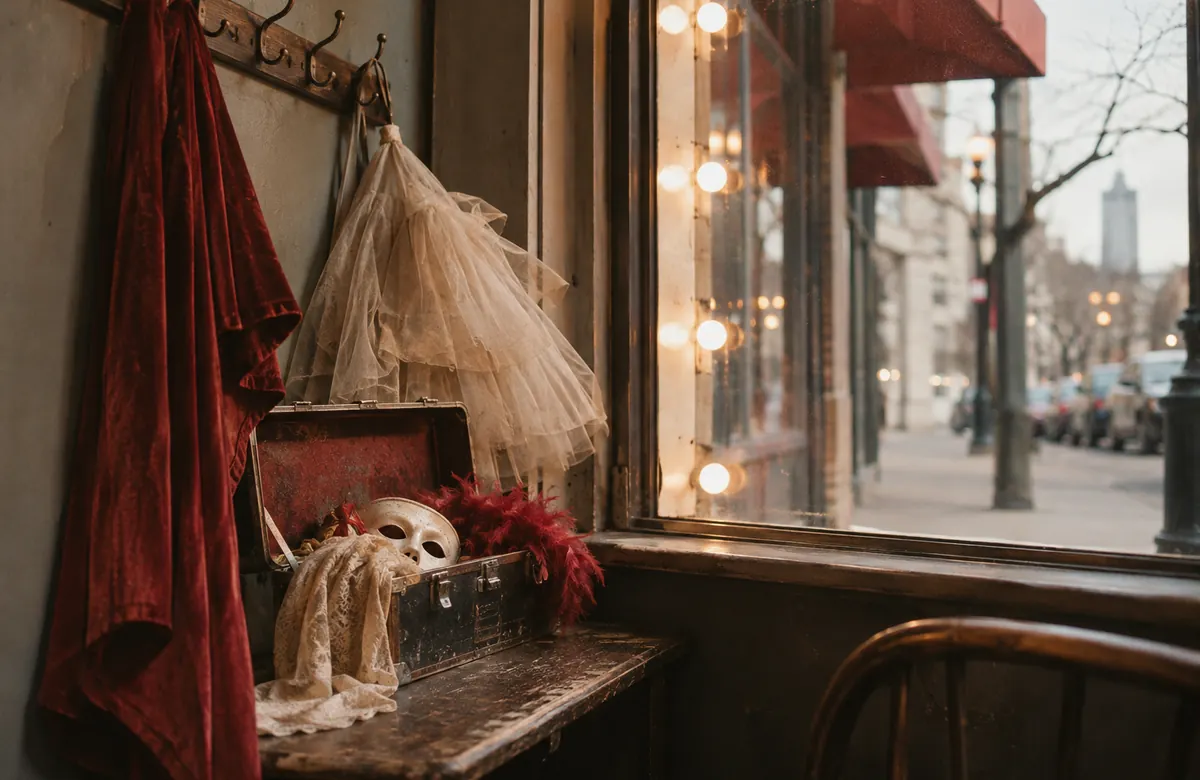
Chicago is particularly associated with ensemble theater, the idea that a recognizable group of artists should develop a shared language across productions. The lineage extends well beyond the alternative spaces of the present day. Second City made improvisational comedy a local institution, while the Steppenwolf Theatre Company established an enduring reputation for ensemble acting. But smaller companies do not have to reproduce those models. Their contribution is the ability to devise a local model for themselves.
Theater as neighborhood enterprise
A performance venue occupies something more valuable than a room with a lease. It occupies an hour or two of someone's evening, and the building participates in the ordinary commercial life of its block. A short walk can take a person from dinner to a new adaptation of a Greek tragedy, or to a monologue conceived months earlier in an apartment by someone who works nearby. This combination of mundane surroundings and extraordinary imagination is central to the appeal of storefront work.
Street-level buildings offer opportunities that dedicated theaters cannot. They can become informal gathering points between performances. A window can display a handmade poster; an entrance can accommodate a postshow exchange with the actors. An audience member who frequents a place begins to recognize staff and performers. That familiarity may support programming that is harder to sell to a stranger.
On the other hand, running a company is arduous. Rent does not shrink simply because the work is adventurous. Box-office income seldom covers all the expense of rehearsals, production management, technical work and the administration needed to keep a project running. Fair compensation is both a moral and a practical problem. A community of young artists may seem endlessly inventive, but it cannot remain indefinitely intact if every participant has to subsidize the enterprise with unpaid time.
Those pressures sharpened considerably in 2020, when the emergence of COVID-19 abruptly made the defining attribute of storefront theater, physical proximity, an obstacle to gathering. A room designed to put spectators close to one another and to a performer was among the least straightforward kinds of venue to reopen. Video could permit artistic work to continue and preserve some professional relationships, but a filmed play is a different art from an evening in which both the performer and the watcher are present.
The return to in-person performance presented a second problem. A company's old audience might still value the work but have established new habits. Its old lease might no longer be viable. Artists who had taken employment outside the profession could have less time to rehearse. The practical question was often not how to resume a program, but which parts of an earlier organizational model were worth retaining.
Why small productions matter even to large theaters
Many actors learn their craft in rooms that the city's visitors would never see on a landmark itinerary. Professional skills are transferable: maintaining concentration despite an unexpected sound, listening while anticipating a cue, and understanding the physical distance required to make an action legible are equally necessary in an intimate comedy and a much larger production.
The same principle applies to writing. An undeveloped play needs exposure to the room instead of another silent reading at the playwright's desk. In a first production, the writer can discover whether a turn in the plot is emotionally plausible and whether dialogue has the rhythm intended on the page. The ability to notice when an audience is restless, amused or shocked is hard to acquire from an electronic document. A limited run provides valuable information even if the show will never travel beyond Chicago.
A large theater can sometimes invest in such experiments, but it has institutional responsibilities that make calculated uncertainty more complicated. It must sell more tickets, take care of a larger building and accommodate the needs of subscribers who may have selected productions a season in advance. An independent venue has different vulnerabilities and different freedoms. Audiences benefit when both institutions and modest rooms coexist.
This is why counts of premieres tell only part of the story. One reading that helps a writer recognize a structural problem can be as consequential to the artist as a lengthy professional engagement. A neighborhood production that employs an unfamiliar performer may lead to a career in which the actor works across the city's very different stages. These paths cannot be traced reliably from the outside.
Becoming a regular spectator
There is no reliable substitute for trying a number of productions in person. League of Chicago Theatres listings can be a useful introduction to the scope of local work. It is worth reading a company's own description of a production instead of assuming that the most widely advertised show is the one most likely to appeal. A comedy in a converted industrial building and a classic performed in a little theater can require very different kinds of attention.
Consider logistics, too. Small venues sometimes accommodate late arrivals differently from larger buildings. An interruption at the wrong moment can become part of the action for everyone in the room. Asking whether a space is accessible, how long a production lasts and whether seats are reserved makes an evening easier to plan. The answers can vary significantly between buildings.
The best reason to keep coming back is simple. A small stage permits close observation of human behavior. A half-second before a character answers a question can do the work that an impressive scenic effect might perform elsewhere. There is a particular pleasure in recognizing that everyone around you noticed that pause, too. For that brief stretch of time, people on a Chicago commercial street have constructed a complete fictional world from very little space.