The important moment in an architectural tour often occurs when the guide stops talking and the visitor recognizes a detail independently. It might be the treatment of a corner, the way a row of windows has been divided or a difference between the structure visible at ground level and the one several stories above. What had appeared to be an indistinct row of large buildings suddenly becomes a collection of separate design choices. For the rest of the afternoon, the walker begins looking for similar features without being prompted.
Chicago offers unusually good opportunities for this sort of learning. The city contains influential examples of several generations of tall buildings as well as countless other structures that rarely appear in familiar skyline photographs. Local institutions have developed different ways of introducing these subjects to the public. The Chicago Architecture Center, established by a predecessor organization that formed in the 1960s, opened a new location near the river in 2018. Its tours, exhibitions and public programs complement a tradition of exploring the city in the annual Open House Chicago festival, which began in 2011.
The two activities approach the built environment from somewhat different directions. A guided tour selects a group of buildings that help explain a particular subject. Open House Chicago allows people to see the interiors of many buildings that are not ordinarily accessible in the same way. Both give a visitor the practical ability to learn more by paying attention to places that might otherwise become indistinct features of an everyday journey.
Look at the building before naming its style
A common difficulty among people beginning to learn about architecture is the desire to identify a building's style before having looked at it very closely. Style categories are useful, but they can become substitutes for observation. Recognizing a familiar name might make a visitor feel that the building has already been explained. In fact, two structures placed in the same general category can accomplish very different things.
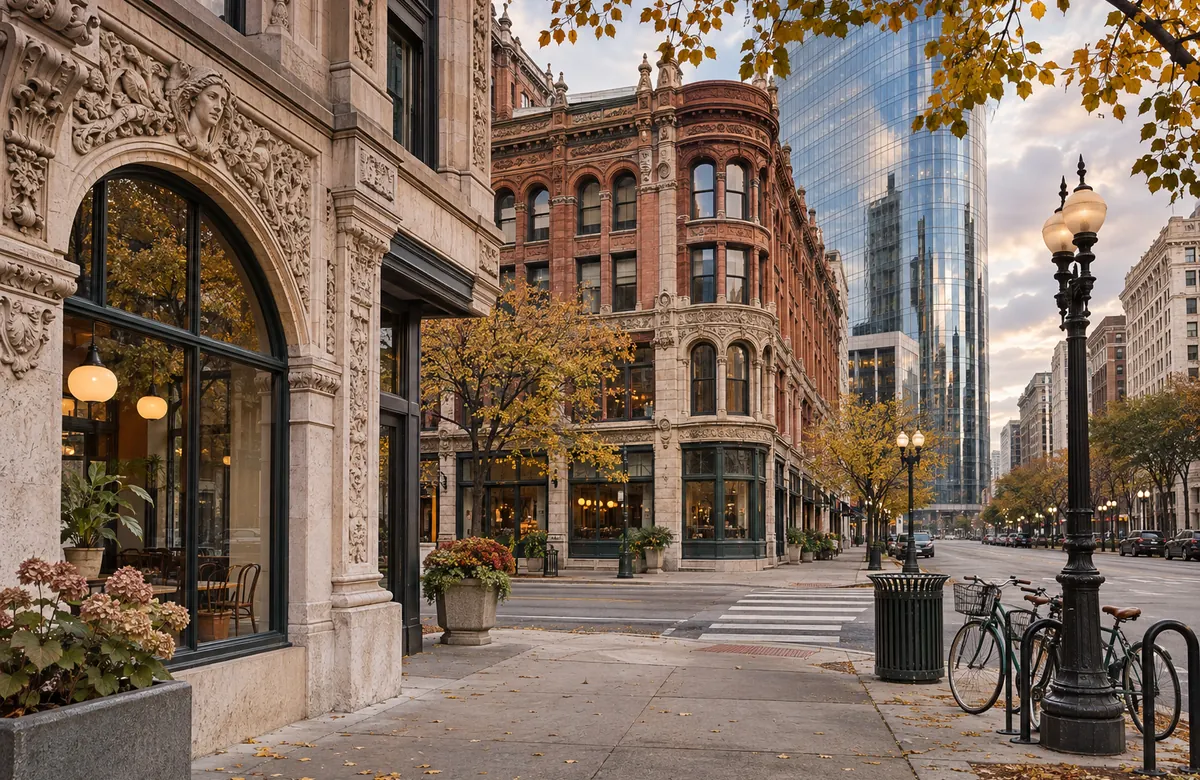
Start by looking at an ordinary wall. Where do the windows occur? Do they form repeating horizontal bands or emphasize a set of vertical lines? Does a change in the wall's surface announce that the entrance is located at a particular point? Some buildings make these features easy to identify at considerable distance; others become legible only after the viewer approaches the entrance. The light at different times of day can reinforce or obscure their effects.
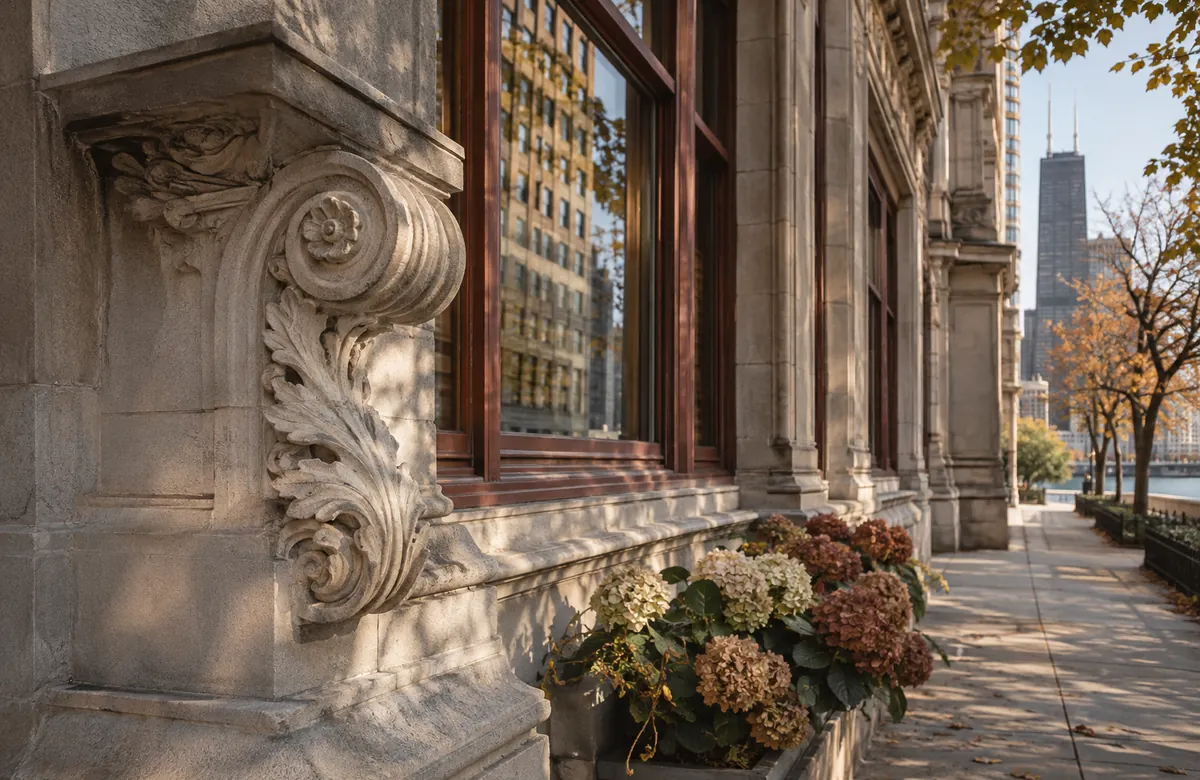
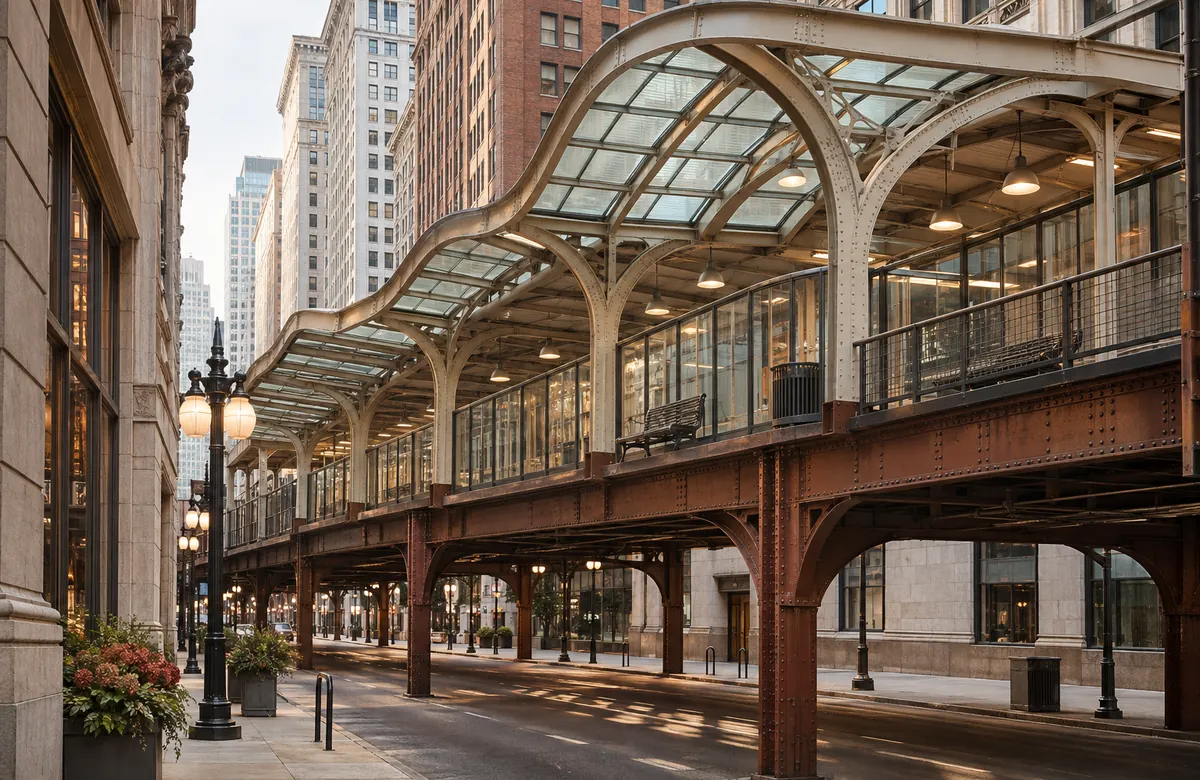
A good tour might next explain how the appearance is related to the building's construction or function. An arrangement that looks ornamental can sometimes result from the requirements of structural support. A changed use at street level may explain why the first floors have a different organization from those above. The materials important to a building's design may be relatively familiar, but their particular treatment can establish an identity distinct from that of neighboring structures.
The advantage of these observations is that the visitor can carry them away and apply them elsewhere. An unfamiliar building can become interesting without having a recognized name or an association with a celebrated architect. The ability to pay attention to its physical characteristics has a value independent of the specific historical information supplied during the tour.
What the river makes visible
The architectural boat tour is one of Chicago's distinctive opportunities. The river provides distance from a row of large buildings while maintaining a position low enough to see their relationships to the shore. A passenger can examine the entire elevation of a tower across the water rather than attempting to fit it into the view from a narrow sidewalk. Bridges and changes in the direction of the river create a natural sequence of different views.
The Chicago Architecture Foundation began offering an architecture river cruise in 1983, according to the institution's historical account. Its later partnership associated with the vessel Chicago's First Lady began in 1993. By the time the renamed Chicago Architecture Center opened in 2018, the waterfront was already central to its interpretation of the city. The center's new location above the area used for its boat tours allowed exhibitions and the riverfront experience to take place in close proximity.
The pleasure of understanding a city from its river derives in part from the constraints on where buildings could be erected. Industrial, commercial and transportation activities produced a shoreline that contains particularly visible contrasts. Buildings of different eras occupy sites selected under very different expectations about the river's role. Some structures turn conspicuously toward the water; others reflect periods in which the most important public entrance faced a street on the landward side.
It is worth returning to the river on foot after seeing it from a boat. The slower traveler can make comparisons impossible during a continuously moving tour. A pedestrian examining a bridge crossing can walk around to a new viewpoint and study its relationship to an adjacent building. The river tour supplies an overview; the walk makes the relationships between particular features easier to understand.
Inside the buildings people pass each day
Open House Chicago offers a contrasting way to learn about the city. The free annual program provides public access to a range of places selected for their cultural, historical or architectural interest. Sites have been distributed across numerous neighborhoods rather than restricted to the center of Chicago. That geographic emphasis makes it possible for people to explore buildings comparatively close to their homes as well as those located in unfamiliar districts.
An interior can reveal why a building has the exterior appearance it does. Consider a large space whose windows appear at unexpected heights from the street. Walking inside may establish immediately that the room was designed around a particular use or that the outside walls conceal several different levels. The dimensions of an auditorium, a religious building or an industrial space are often much clearer when experienced by moving around the interior.
The building's occupants may also be capable of explaining parts of its everyday history rarely recorded in an account of its original construction. The needs of an organization may have prompted alterations. An existing staircase could be particularly important because it links activities now occupying rooms used for completely different purposes by the original owners. Observing the building in use provides information that a drawing of its initial plan cannot supply.
Opportunities to visit small neighborhood institutions are particularly valuable for this reason. The building's cultural role may have arisen gradually after its construction, and its importance to the people using it can exceed any distinction associated with its architecture. Interest in the details of its design becomes an occasion to learn about the organization occupying the premises, not merely a reason to take photographs of the facade.
Architecture after the tour ends
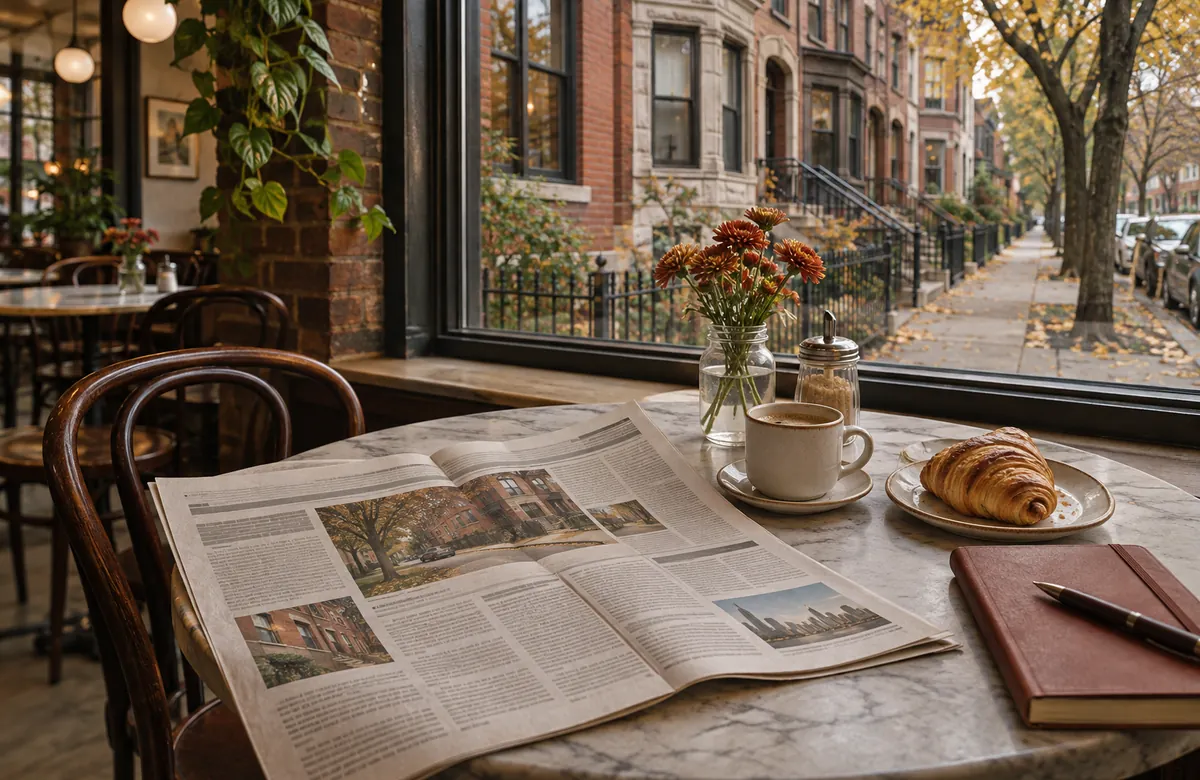
One of the best ways to use information acquired during a formal tour is to choose an ordinary street and examine it without expert guidance. Study the dimensions of the windows and investigate how each building meets the sidewalk. Notice where the entrances lie and whether a particular facade has a strong relationship to the corner. Compare the building's visible surfaces with those of the next structure rather than treating it entirely on its own.
The exercise can produce practical questions that deserve investigation. A structure whose interior has been modified may show evidence of its earlier use. A peculiar division of an exterior wall might have been a response to a neighboring property. There may be historical information that establishes which of several convincing interpretations is correct. Looking carefully helps turn the search for that information into a specific task.
Chicago's organized architecture programs make the city itself available as a resource for a continuing form of education. A tour conducted in 2018 and an Open House visit several years later may concern entirely separate subjects. What the visitor retains from either experience can influence the understanding of buildings encountered for the rest of the decade. The pleasure is in recognizing something that has become visible on a street the walker knew long before acquiring the vocabulary to describe it.