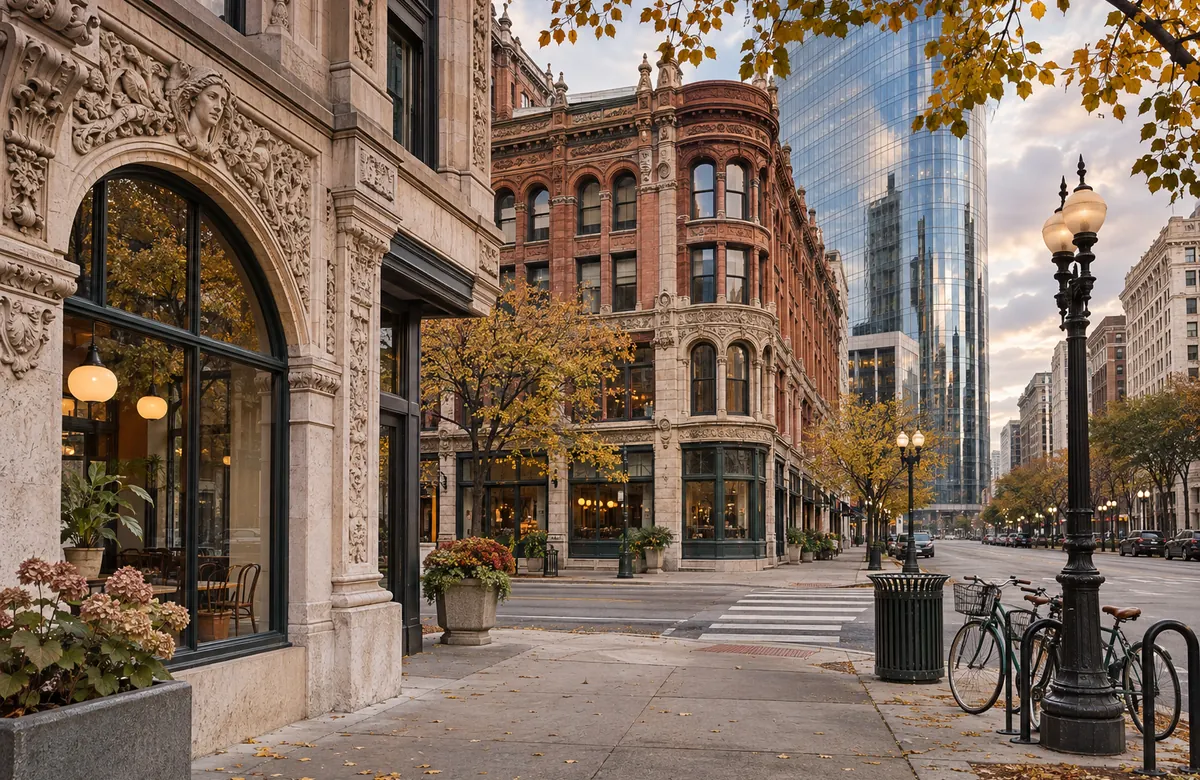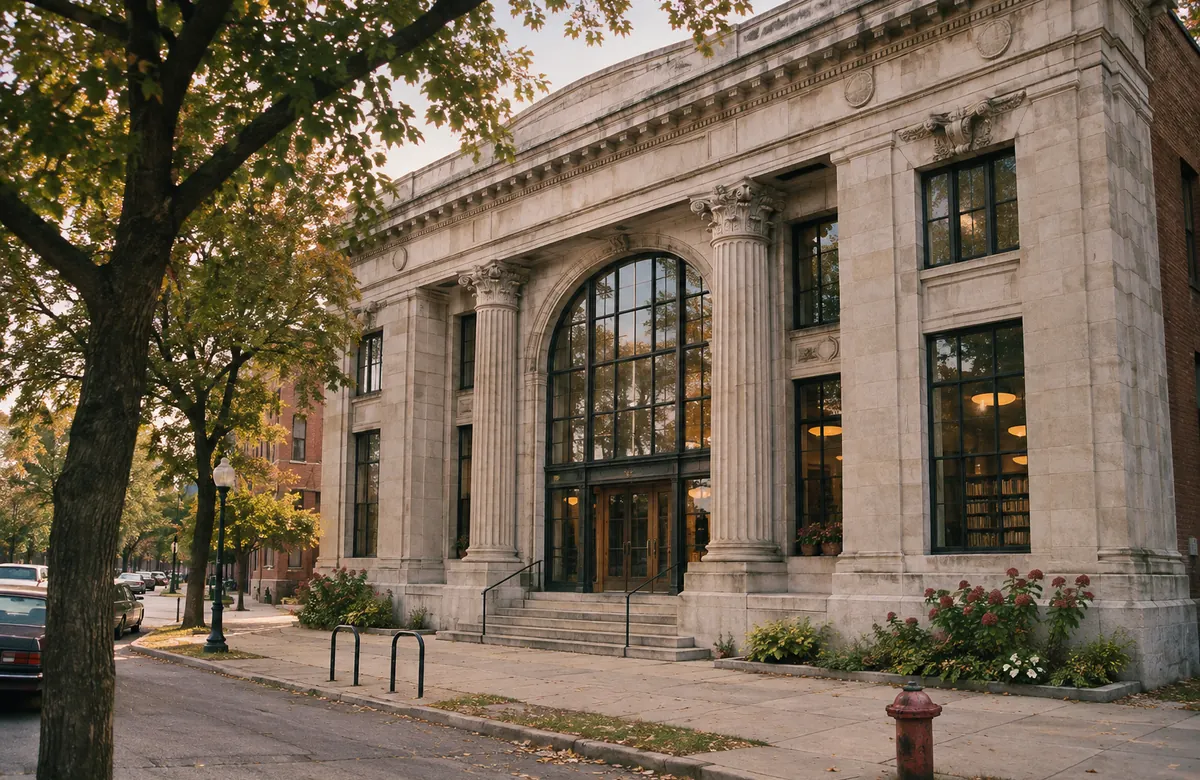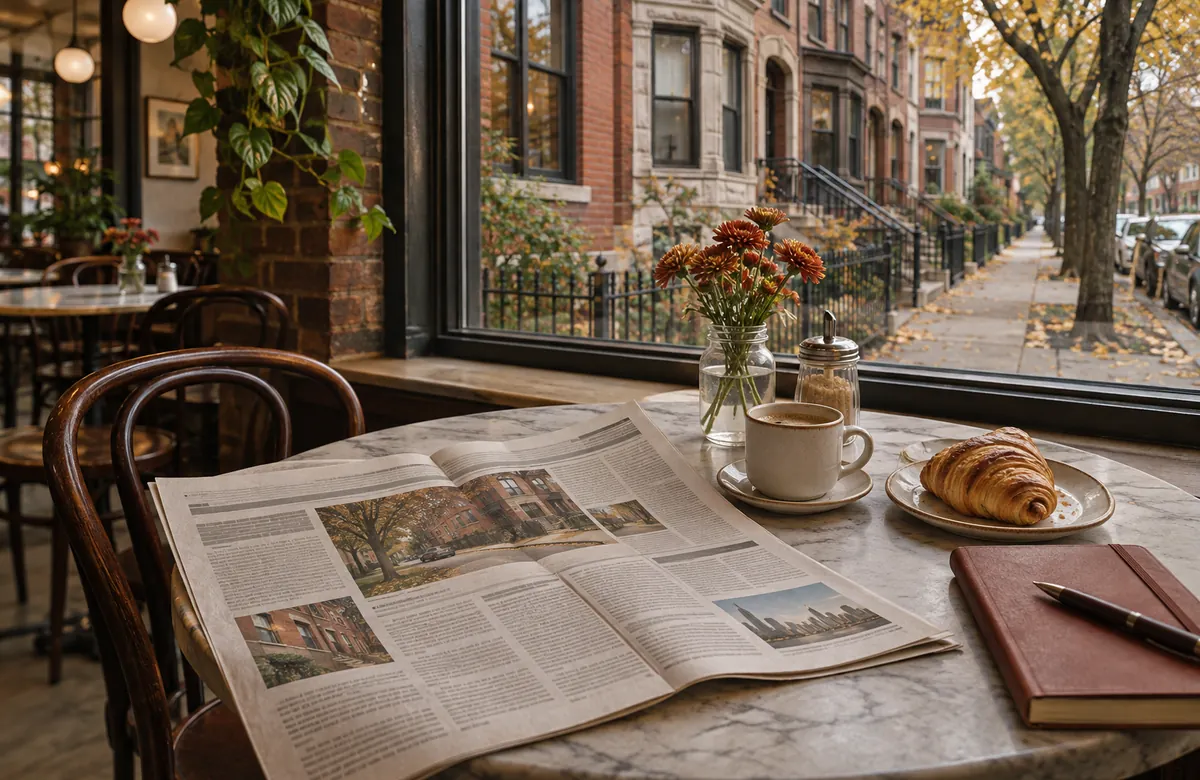
A development project affecting a single Chicago block poses a problem of scale for news editors. The decision may be enormously important to people living on that block and barely register as news elsewhere. A metropolitan newspaper has to consider subjects involving millions of readers. A local publication can devote substantial space to the details of a particular proposal, the residents who disagree about it and the exact consequences of a decision. That reporting reaches fewer people, but those people may have a much greater need for the information.
Several developments in the 2010s gave Chicago new opportunities to receive this kind of coverage. South Side Weekly was founded in 2013 with an emphasis on stories from and about the South Side. Block Club Chicago began publishing in June 2018, following the closure of the local operation of DNAinfo the previous year. Each organized its work around a different conception of local readership, but both recognized that a geographic area can provide a useful basis for reporting even when the individual stories concern unrelated subjects.
The distinction is especially meaningful in Chicago. The experience of living in the city varies widely from neighborhood to neighborhood. A description of a citywide situation may establish important facts and still provide little information about the precise circumstances facing an individual resident. The value of local journalism lies partly in resolving that difference.
The advantage of a regular route
A reporter who frequently spends time in an area establishes a kind of knowledge that is difficult to acquire during a single visit. The person notices when a familiar building changes ownership or when work begins at a location previously associated with a development announcement. Repeated conversations reveal disagreements about a subject that might sound uncomplicated to someone reading only the official description. Familiarity with local institutions makes it easier to identify gaps in a formal account of events.
It also allows a reporter to ask questions before a story becomes an obvious emergency. A modest proposal can have recognizable consequences that do not emerge fully for months. People discussing plans at an early stage may supply information that becomes difficult to reconstruct later. Maintaining a presence in the area gives a journalist the opportunity to establish a record as those events unfold.
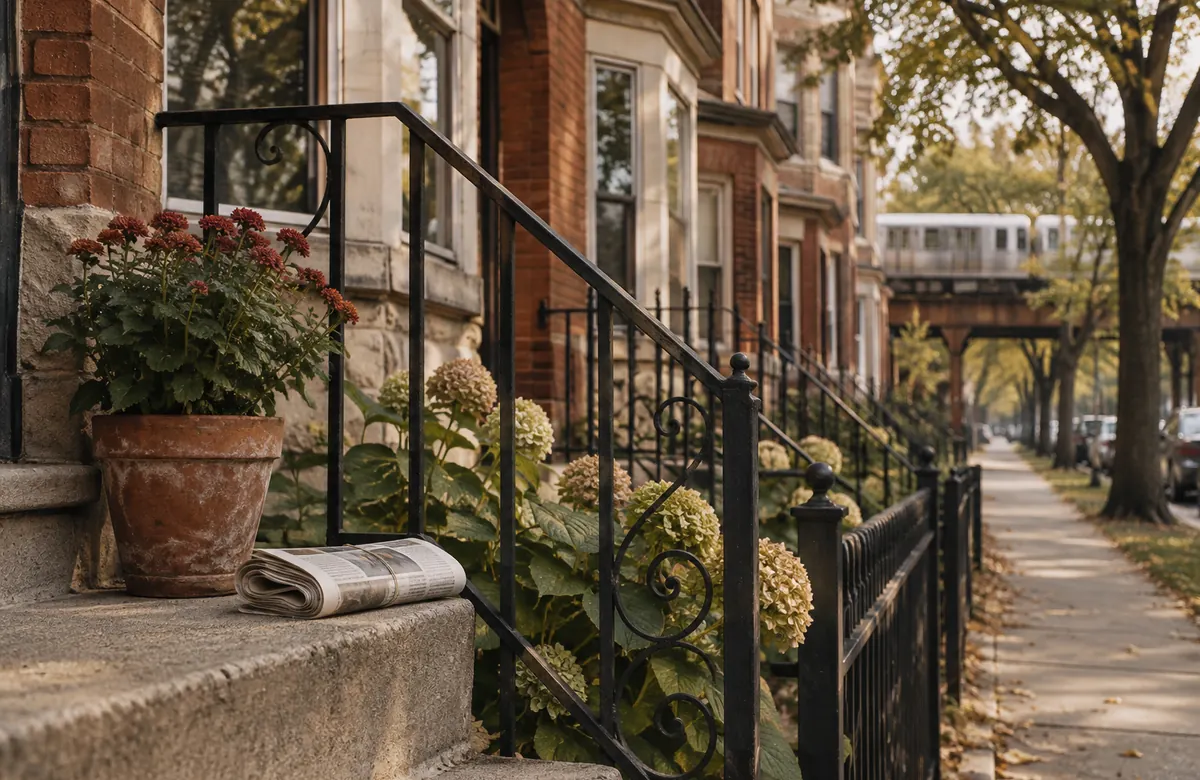
This approach differs from a reporting structure in which a writer covers a single subject across the entire city. A transportation specialist may know the details of a major transit initiative; a neighborhood reporter may know how residents are reacting to changes around one station. Both forms of expertise contribute to a more complete understanding. The geographic reporter's particular advantage is the ability to recognize connections between the initiative and other local events that belong to entirely separate subject categories.
Imagine a neighborhood publication examining a proposal to alter a commercial street. Future traffic arrangements might be only one part of the story. Residents are also interested in the effects on the businesses they use, on their ability to travel on foot and on the kinds of buildings likely to appear afterward. A report framed around the experience of that particular area can keep these related concerns within the same article.
Covering institutions nobody mistakes for landmarks
A local newsroom can spend time on establishments whose relevance is not obvious to people outside a neighborhood. A small grocery closing may leave some residents with a considerably longer trip to find the things they need. A community organization temporarily losing its meeting space may find it difficult to continue its activities. A neighborhood school can be the subject of disputes involving people whose names will never be familiar to the whole city.
The significance of these subjects depends on an understanding of the network in which each institution operates. An empty shop is not automatically a major story. A shop that served an otherwise unmet need in its immediate surroundings may be. Identifying the difference involves doing the unglamorous work of speaking with people who used it and investigating what other possibilities are realistically available to them.
This is also true of cultural reporting. A report on a community exhibition can explain why the participating artists selected the subject and how they organized their work. The artists' prominence outside Chicago need not determine whether the story is worth publishing. A small event can be particularly important when it represents an effort by people to address a problem or share knowledge about the place where they live.
Good neighborhood coverage need not take an uncritical approach to these institutions. A sympathetic account of their purpose should not prevent examination of their finances, decisions or effects on other people. Indeed, residents who already know the organization may be especially alert to the omission of relevant facts. The audience's familiarity with the location gives a reporter strong reasons to be precise rather than making accuracy less necessary.
Independent publication and the cost of attention
The difficulty of maintaining a local publication often derives from an unfortunate mismatch. The activities that provide the most valuable coverage for a narrowly defined audience do not always attract enough commercial revenue to finance the necessary reporting. A journalist can spend several days obtaining records and attending meetings, then publish a detailed story of considerable importance to a relatively small readership. The article may receive less general traffic than a quick report about a widely known person.
South Side Weekly developed from an organization relying extensively on volunteers into a nonprofit newsroom with paid staff and contributors. In 2022, it merged with the Hyde Park Herald, a local newspaper with a much longer history. The combination demonstrates one possible way of sharing resources needed for continued reporting while preserving attention to distinct places. Editorial time, production facilities and expertise are resources that individual publications must otherwise find separately.
Block Club Chicago's origins illustrate another approach to the challenge. After DNAinfo closed in 2017, its former local editors organized a successor with a nonprofit structure and a geographic emphasis. The new publication established its own relationship with readers rather than continuing under the previous owner's publication. Its arrival in 2018 showed that the disappearance of a newsroom had not removed the demand for its kind of information.
No funding arrangement entirely eliminates the pressure to select subjects. Nonprofit publications still have finite budgets and have to decide how to distribute their reporters' time. Readers may provide financial support partly because they appreciate stories related to interests they already have. Developing a wider readership requires explaining the value of reporting that occasionally concerns matters unfamiliar to those regular readers. The finances of a local newsroom cannot be separated altogether from its editorial decisions.
The future record of a familiar place
Neighborhood journalism acquires another kind of value as the years pass. A report about an ordinary shop or a planning meeting may become an important source for people trying to understand how a district changed. The existence of a contemporaneous record lets a historian establish what proposals were being discussed at a particular time and what alternatives were available. Without it, later accounts may rely heavily on the memories of a few people or on the records of the organization that made the final decision.
For this reason, the preservation of digital local publications deserves attention. Searchable archives should preserve the text, publication information and important corrections. They become considerably more useful when the relationship between stories about the same site can be reconstructed. A neighborhood reporter looking into a new proposal for a familiar property may find invaluable information in a report published before the current owner arrived.
Chicago's recent experience offers good reasons to look at the news from two different distances. Citywide coverage establishes patterns that can be understood only through comparison across several neighborhoods. Local coverage describes the daily consequences and circumstances that can disappear in that aggregation. When both kinds of reporting are available, readers are better able to understand not only the policy chosen but also why it matters on the block where they live.