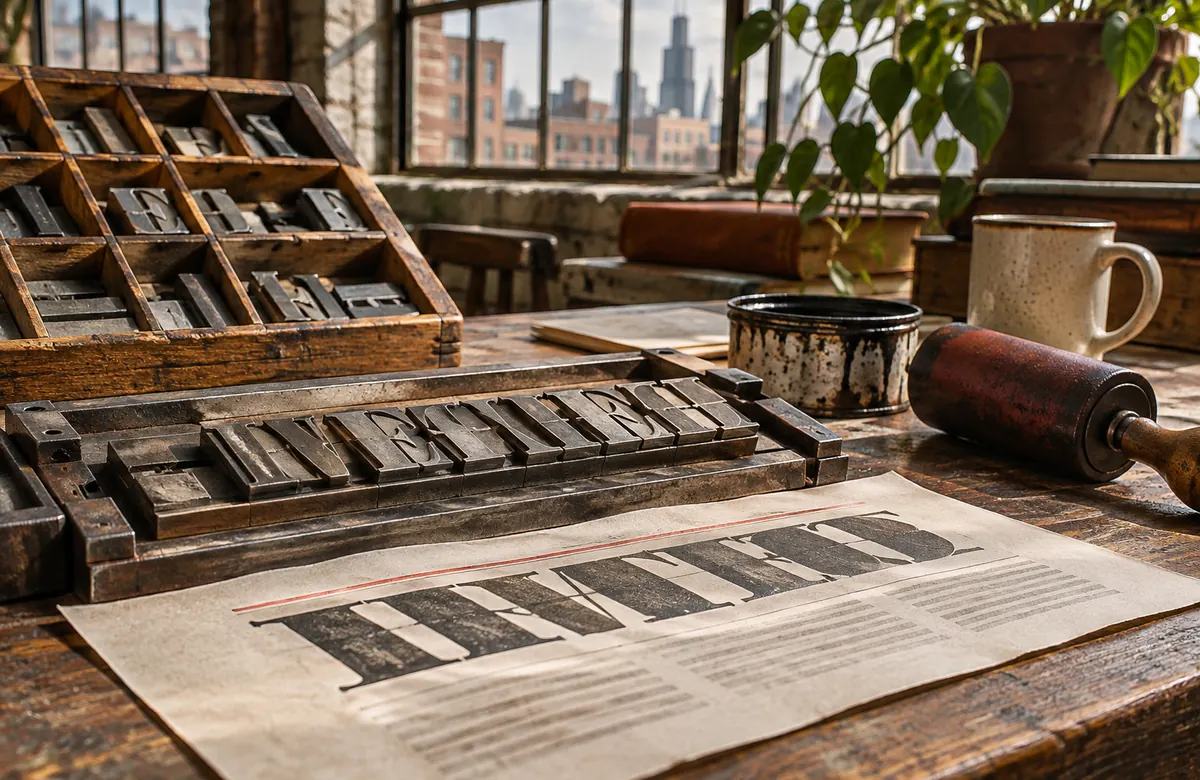
An independent magazine often begins with an idea about what should receive more attention. A group of writers may want to cover a city's small performance spaces, a photographer may notice that ordinary streets rarely appear in cultural publications, or an editor may want to explain how a particular trade works. Turning that intention into a continuing publication requires decisions that have little to do with the appearance of the first issue. Somebody must arrange assignments, make editorial judgments, check facts, prepare pages, and deal with expenses. If these duties remain vague, they often become visible just when a piece is supposed to appear. A practical publishing arrangement should reflect the resources people can reliably provide rather than the volume of work they hope eventually to undertake.
Decide which readers the magazine will serve
Describe the audience in terms of its interests and the kinds of information it might need. A magazine about Chicago's cultural life could serve people who regularly attend performances, people who want to understand the work behind exhibitions, or residents who are curious about changes in their own neighborhoods. Those groups overlap, but they do not have identical expectations. Decide what a reader can consistently expect to encounter in the publication. If the magazine intends to cover both local culture and editorial technology, explain how those subjects relate through the work being published. This choice informs the balance of assignments, the language used to introduce unfamiliar institutions, and the frequency with which different subjects appear. A clear editorial identity does not require putting every potential reader into a narrowly defined category.
Begin with a realistic production schedule
Consider the time taken by an article from proposal to publication rather than the time required to write it. A substantial reported feature might need several interviews, checks of relevant records, an edit, further reporting, review of illustrations, and a final fact check. A review of a performance might have to be published while it is still relevant to readers. These assignments place different demands on the people producing the magazine. List the work required in a typical cycle and identify who will perform it. Avoid basing the schedule on the maximum amount of time that volunteers were able to give during unusually quiet weeks. Leave room for a delayed interview, a sick contributor, or a story that needs an unexpected revision. A magazine that consistently publishes work of a manageable size can learn more about its readers than one that repeatedly announces ambitious issues it cannot complete.
Give each assignment a responsible editor

Even in a small organization, writers benefit from knowing who will approve the proposal, discuss structural changes, and make the final editorial decision. Set out the assignment's purpose, planned form, relevant timetable, expected illustrations, and compensation or other agreed conditions before substantial work begins. Explain how expenses are handled and who must authorize additional costs. If an article includes reported claims, identify the materials the writer should retain for checking. A contributor who understands these arrangements is less likely to discover at the end that the publication requires a substantially different kind of piece. The details should remain open to changes as the reporting develops, but changes in scope should be discussed rather than imposed silently. This is a form of respect for the labor that produces an issue.
Establish a budget for ordinary work
List recurring costs and costs that arise from a particular issue. These may include payments to contributors, image production, design, hosting, administration, printing and distribution when appropriate, and time spent managing the publication. Use actual estimates rather than assuming that a task will be performed without cost simply because the first person to perform it is a founder. Some people may volunteer, but a production plan should reflect the amount of voluntary work on which it depends. Consider whether parts of the schedule can continue if that time is no longer available. A lower publishing frequency or smaller print run may be a sensible response. Keep a record of commitments already made so that an apparently available sum is not allocated to work for which it has already been promised.
Distinguish between income received and income hoped for. Interest from possible subscribers does not pay an outstanding printing bill. An expected agreement with a supporter remains uncertain until its conditions are established. Review the publication's spending in relation to the income that can be relied on and the funds available for particular projects. This is especially important when a magazine accepts substantial contributions intended for specific purposes. Clear accounting makes it possible to decide whether the next assignment is within reach. The editorial team should understand which financial conditions affect its work. At the same time, a person's willingness to provide money should not be confused with authority to determine which factual statements the publication makes about them.
Document the editorial arrangements
A brief editorial policy can address several decisions that are otherwise likely to recur. Explain how factual claims are checked, how corrections are made, how contributors disclose relevant conflicts, and how the magazine distinguishes sponsored or promotional material from editorial work. Describe any conditions attached to accepting support. The policy should correspond to arrangements the magazine can actually follow. Claiming to conduct extensive reviews on every article when only one person has time to read each draft gives readers a misleading impression. Improve procedures as resources permit and describe them honestly. Identify who decides how to respond to a possible error. A correction process should be usable after the original writer becomes unavailable or an article has been reproduced in another edition.
Create a simple production system
Keep a shared overview of assignments and their status. Each article needs a current text, appropriate source material, any associated images, agreed permissions, and the information needed to prepare its presentation. Identify which version is ready for publication. A system based on scattered email attachments can make it difficult to distinguish a checked version from a later, unreviewed revision. Choose an arrangement that the team can use consistently without creating excessive administrative work. Record decisions affecting the final article, especially changes involving figures, quotations, and attribution. Verify that images match their descriptions and that the publication has the necessary rights to use them. Avoid decorative pictures that make unsupported claims about the people or events described. A generated illustration of a possible scene has a different status from a photograph of the reported event.
Review the issue before it reaches readers
Read the prepared pages, not just the manuscripts from which they were produced. A correct caption can end up alongside the wrong picture. A heading can be copied from an early version that no longer describes the article. Digital pages should remain usable on smaller screens and have working internal navigation. A printed proof can reveal difficulties with type size, reproduction, or the relationship between text and illustrations. Check that each article can be identified and located again. If the magazine uses a table of contents, category listings, or an index, maintain those records along with the published pieces. Make an archive of completed issues or pages and preserve the source material that is needed to maintain them. Consider the reader who will encounter an article months after its first appearance.
Review the experience of producing it
After publication, compare the work with the intended schedule and budget. Identify where time was spent, which editorial decisions proved difficult, and whether the pieces readers encountered reflected the purpose of the magazine. Measures of readership may help, but so may direct observations about the questions people ask after reading a story. An article can deserve continued attention even when it draws a smaller audience than a piece on an immediately popular subject. Conversely, a series that has few readers and absorbs a large share of editorial time may need a different treatment. Review the mix of assignments, not simply the success of the most conspicuous article. A sustainable independent magazine is one that can preserve its standards while doing work within its means. Its next issue should emerge from what the team learned making this one, not from a commitment to increase its size regardless of the circumstances.