The place where most people encounter a sculpture in Chicago might also be the place where they meet a friend before dinner. A park could serve for both a daily walk and the first time someone has watched Shakespeare performed live. These are situations in which the usual practical arrangements for attending an artistic event are either considerably simpler or entirely absent. The artwork exists in an environment where people have other legitimate things to do.
Chicago provides several unusually visible examples of the advantages and limitations of this arrangement. Its monumental public works attract the deliberate attention of visitors, while its neighborhood arts programs bring smaller events into spaces ordinarily devoted to recreation. The activities work at different scales. Both have something to tell us about what can happen when a person encounters art as a consequence of simply going outside.
The unexpected value of a large reflective object
Cloud Gate, Anish Kapoor's sculpture in Millennium Park, is a conspicuous example of art whose environment participates directly in the arrangement of the work. The polished surfaces reflect views of the sky and the buildings around the park. They also absorb little incidents happening in front of them into the picture. A person coming to see the sculpture becomes part of the available material when somebody else looks at it.
Walk around the piece rather than attempting to experience it from a single position. Part of the appeal lies in the differences in the surrounding environment visible from one point to the next. The skyline appears warped, not through a permanently chosen arrangement of forms but because perspective changes continuously with the location of the viewer. Weather causes additional alterations. Two visits made at similar times of day in different seasons can produce surprisingly different visual experiences.
One consequence of placing this kind of object out of doors is the need to maintain the qualities of its surface despite large amounts of public use. The sculpture's ability to provide extraordinary impressions of depth and space depends substantially on the mirror-like finish of the metal. Rain, ordinary materials carried on people's clothes and marks left by contact all have consequences for its appearance. Maintenance of a public artwork can become an essential part of preserving what the artist has actually made.
Elsewhere in Millennium Park, Jaume Plensa's Crown Fountain engages the public through changing images and water. It has its own set of practical complexities as a work designed for a place where children and adults can spend a considerable amount of time outdoors. The activity of the people between its towers can be as interesting to watch as the installation itself. Sculptural objects of this kind provide opportunities that conventional park structures may not have offered previously, even when those opportunities did not feature in a visitor's original reasons for going to the park.
Neighborhood parks as performance sites
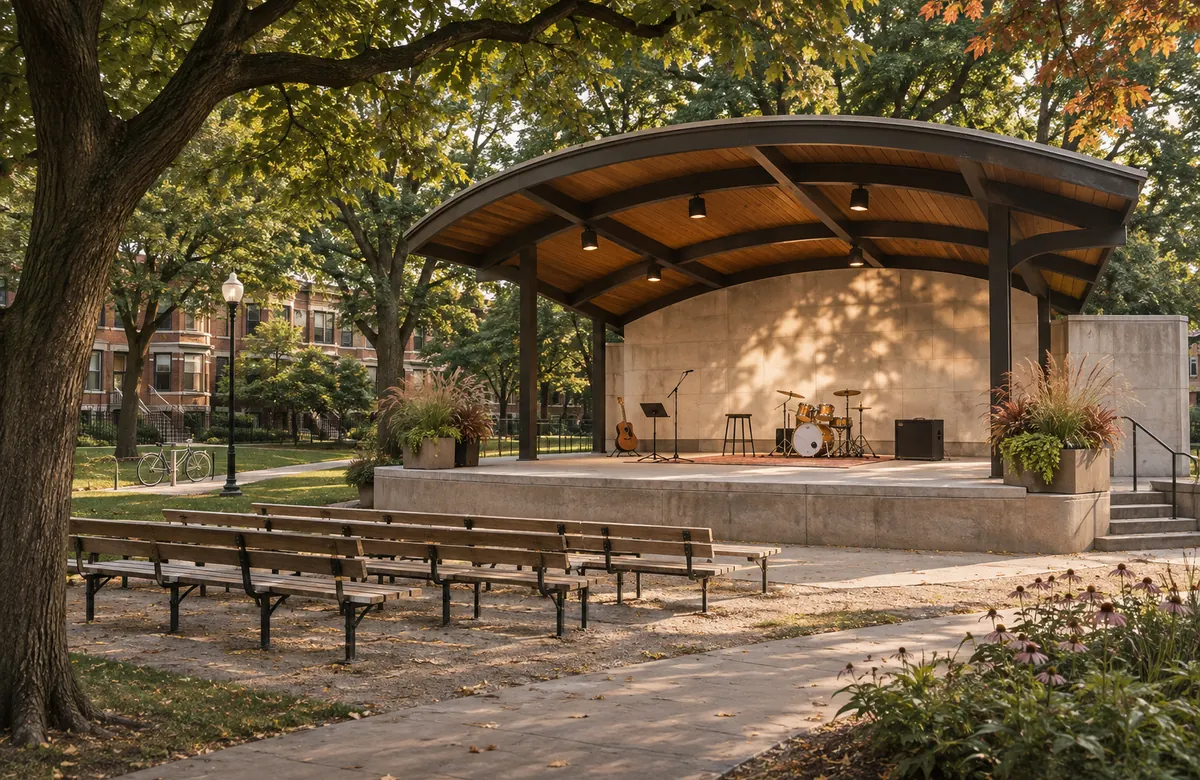
A performance in a city park raises an altogether different set of questions about the ways people encounter artistic work. The period during which the artist is actually present is limited, and an event taking place on time has to accommodate the physical conditions resulting from its particular location. A performer may arrive to find that sound carries less clearly than expected in one direction, or that the light at a certain hour makes a chosen element of the staging hard to see.
In 2013 the Chicago Park District launched Night Out in the Parks, bringing together a range of free cultural programs. The series has accommodated theater, film screenings, music and other performance in parks throughout the city. In 2022 the Park District marked the program's tenth season, an opportunity to consider the variety of work the arrangement had made available during the intervening years.
The geography of the program was particularly significant. Someone who rarely found it convenient to travel downtown for a late-evening performance could consider attending something much closer to home. Travel time and the difficulty of arranging care for younger members of the family can account for substantial differences in the ability of various people to attend cultural events. Programs in places people already frequent address some of those restrictions.
These opportunities can also give performers a way to come into contact with audiences accustomed to different kinds of work. A theater company may ordinarily attract people familiar with the history of its activity and the particular approaches it favors. Presenting something in the park produces the possibility of encountering people who had no knowledge of the company before arriving. The resulting artistic experience might be just as valuable as one made in a conventional auditorium. It can also inform the performers' understanding of the work they are making.
The nature of a temporary audience
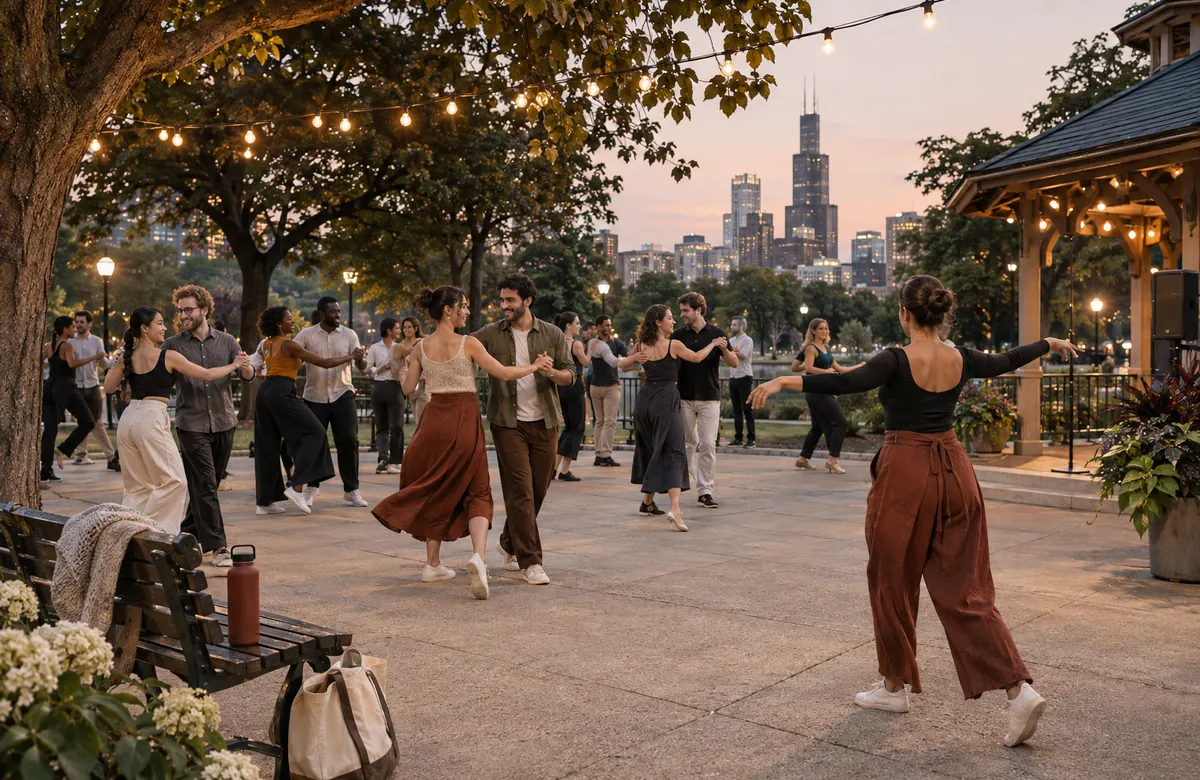
A park performance tempts spectators to make use of their ordinary freedom of movement. They can stand at a distance while something catches their attention; later they might choose to move nearer the participants. Such behavior differs noticeably from encountering a work in a room where everybody occupies an assigned seat. The artist should be able to make assumptions about the likely spatial arrangement of a conventional theater's audience. The park may permit people to change that arrangement repeatedly without encountering any particular obstacle.
This can be a revealing opportunity for some types of art. A performance created specifically for the outdoors may incorporate the places spectators ordinarily choose to occupy. An activity can begin at one point and become visible from another as its participants move across the site. A musician altering the direction of the sound can establish a different relationship with the small audience that initially gathered. The public space makes it possible for people to follow the work without depending entirely on the particular location of the stage.
The temporary nature of the performance creates considerable practical work for everyone responsible for it. Equipment has to reach the site and function during the scheduled period. Consideration of the weather is inevitable. Staff and artists must accommodate neighbors who have approached the space for purposes unrelated to the programming. The presence of enough people to maintain a welcoming environment has its own value, particularly at events attracting people unfamiliar with the area.
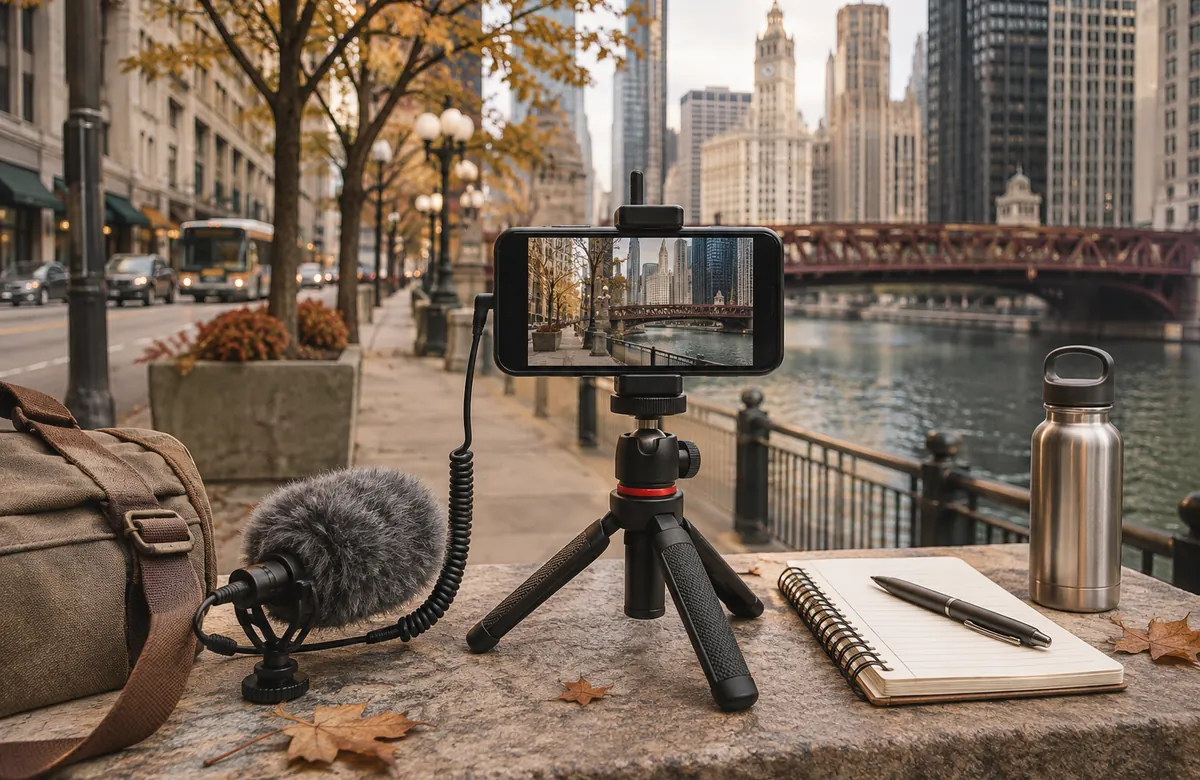
The adaptation of the 2020 Night Out in the Parks program into a largely digital experience demonstrated how much of the underlying undertaking was distinct from a particular performance site. Artists could prepare work for the public to view while the usual gathering arrangements were unavailable. The opportunity to encounter local performers remained valuable despite the temporary absence of a physical park. Later seasons could resume that part of the program when it became practical again.
Seeing familiar spaces differently
One interesting way to follow the city's arts programming is to consider making several visits to places you have rarely had cause to use. Choose a park with a performance you would not ordinarily have encountered and allow yourself some extra time there. Notice the things the performers could do with the space, including some features of it that were not deliberately intended for artistic purposes. Observe what changes as the audience gathers and makes the area its temporary home.
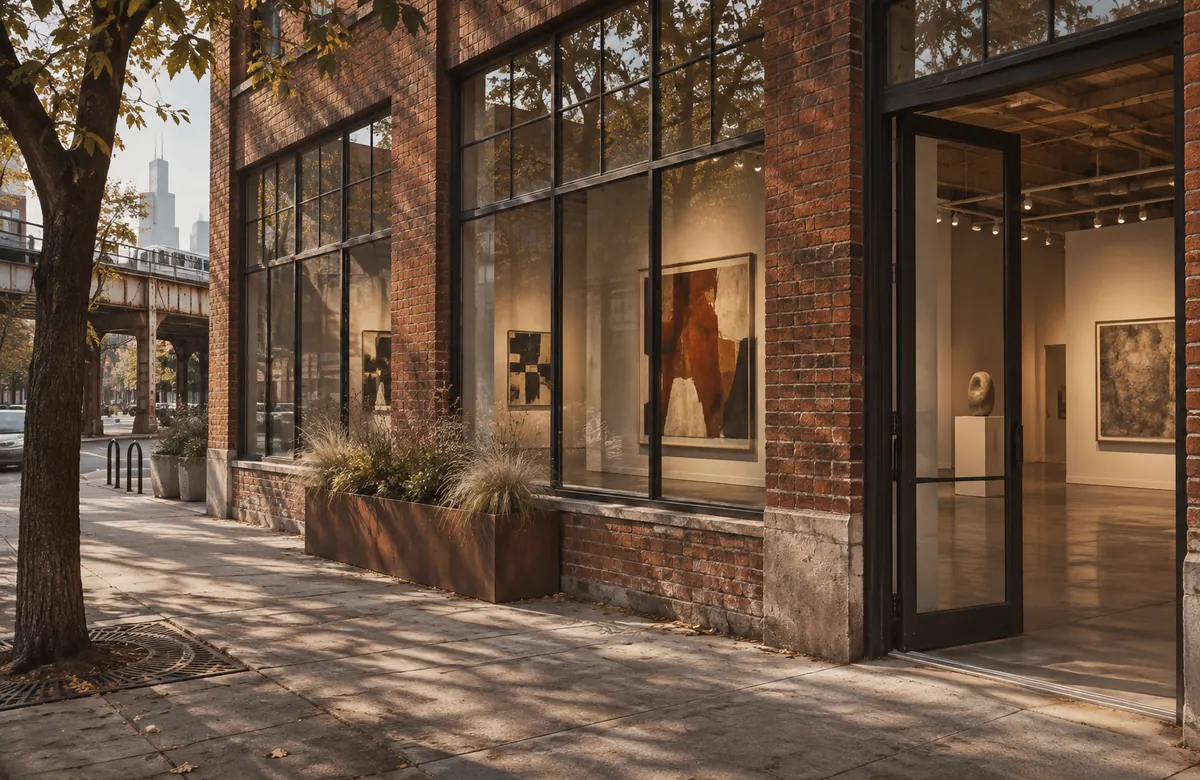
Not all public art needs to be associated with a prominently located landmark or an elaborate performance. Small interventions can redirect someone's interest in an ordinary place on a scale that is not vouchsafed to many large institutional works. A striking piece of sculpture, an hour of music in a neighborhood park and a film projected outdoors all give audiences evidence of the variety of purposes a shared public place can serve. That evidence remains useful long after the artist has packed away the equipment.