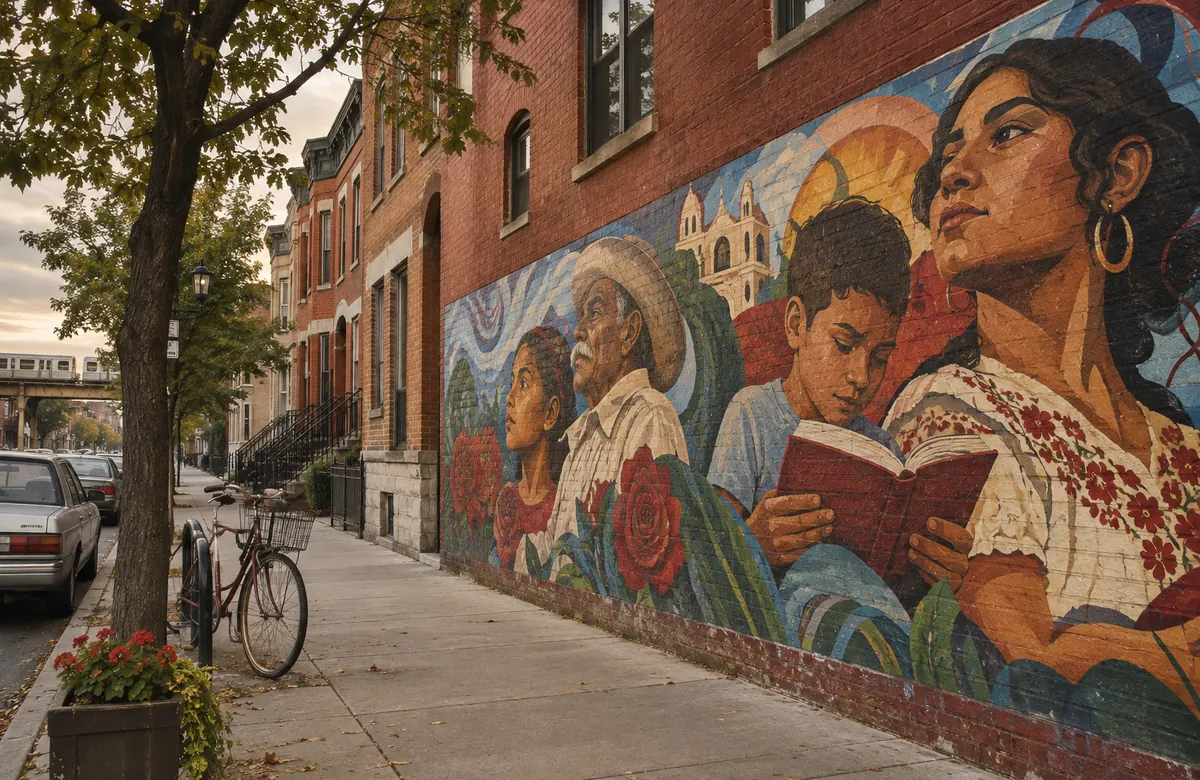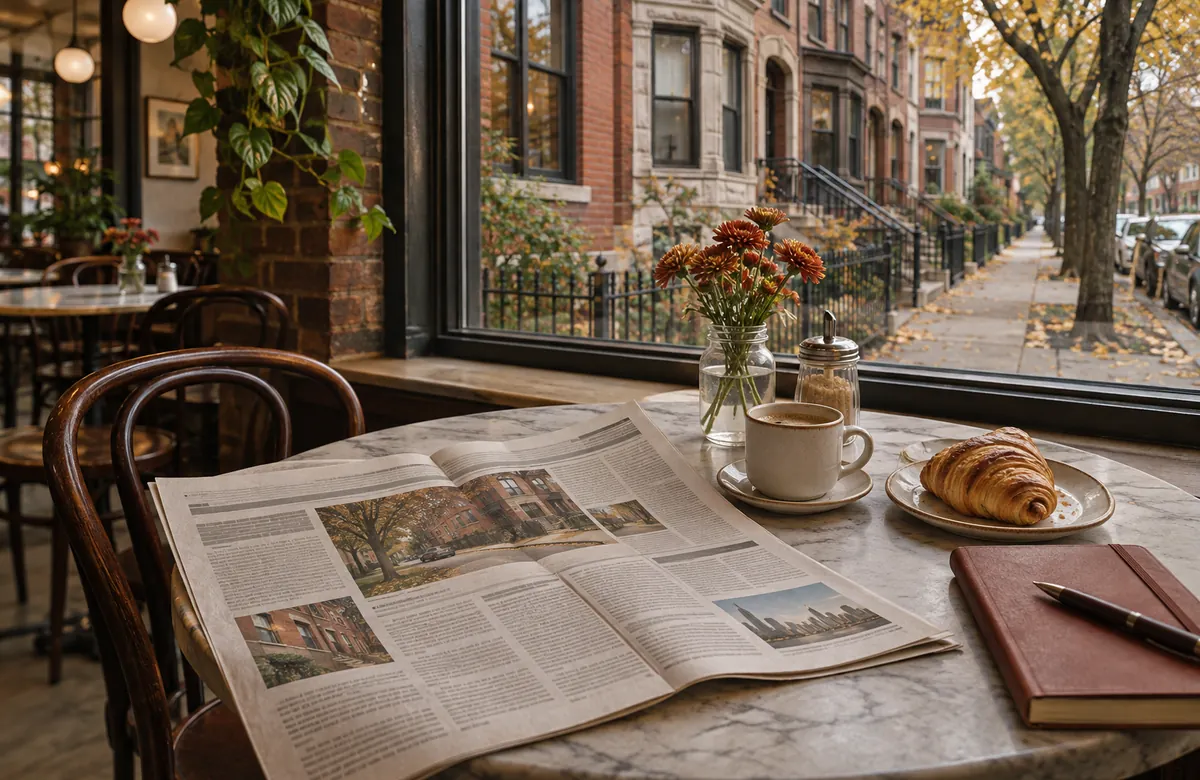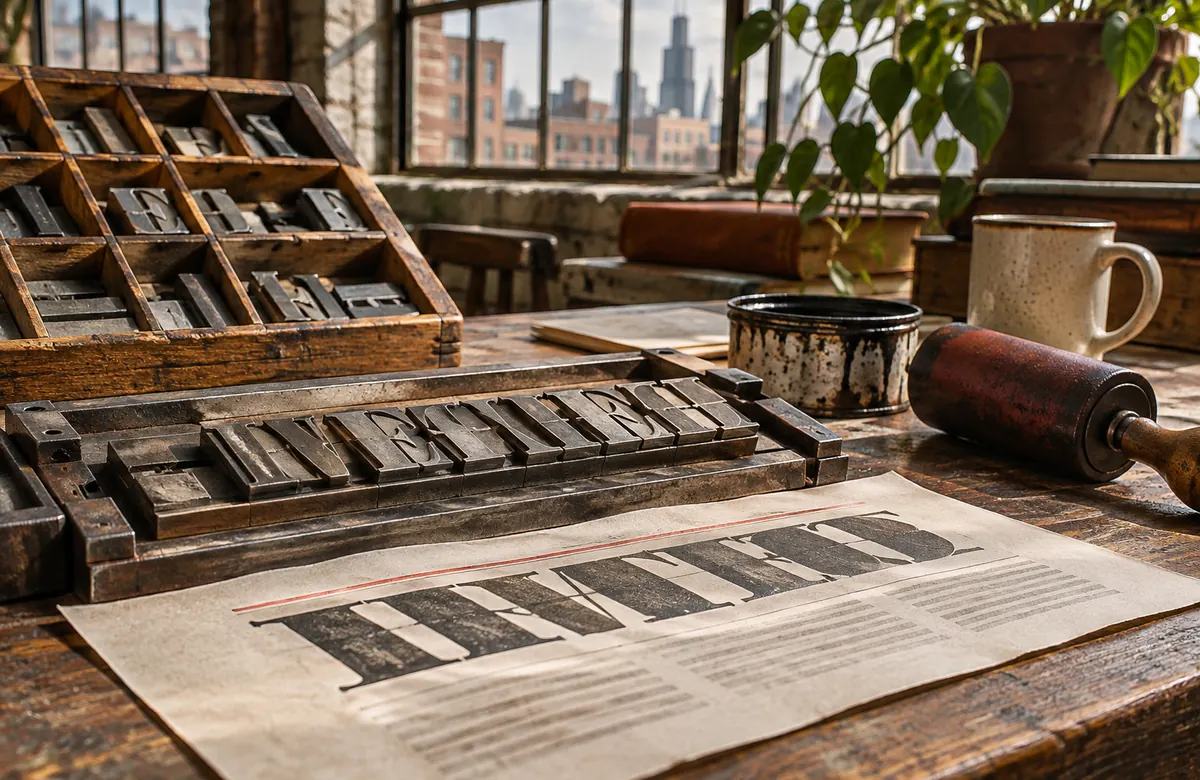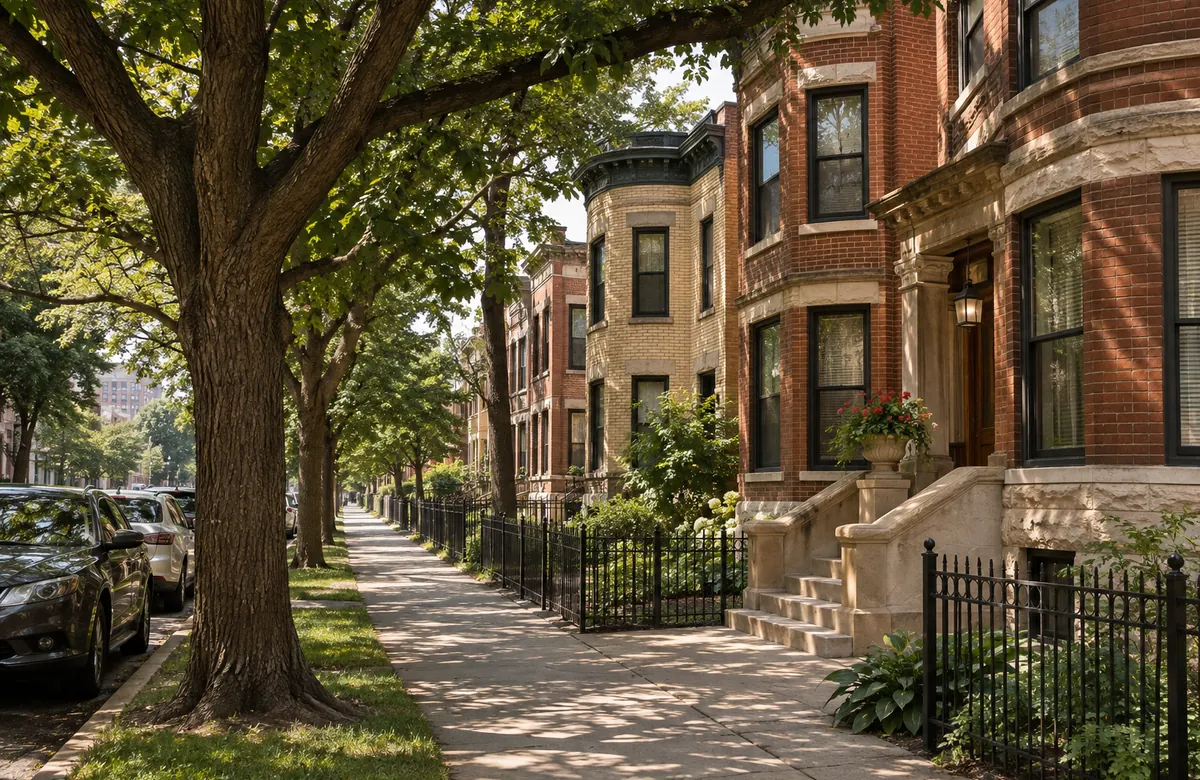
Stand in front of a Bronzeville house associated with an important figure in American history and a curious distinction becomes apparent. Without knowing the address, a passerby might fail to notice that anything remarkable happened there. The building will probably be surrounded by other homes. The place where a musician lived or a writer worked may look like a perfectly ordinary neighborhood block. That quiet setting can reveal more about the person than a photograph displayed in a distant gallery.
In 2023, Congress designated the Bronzeville-Black Metropolis National Heritage Area. The National Park Service describes it in relation to the Great Migration, the enormous movement of African Americans away from the Southern states during the twentieth century. The designation acknowledges the historical importance of institutions and achievements associated with Chicago's Black community. It also invites visitors to consider the relationships among a series of places that previously might have appeared to have separate stories.
A heritage area differs from the popular image of a national park. Bronzeville remains a living urban community with private houses, businesses, ordinary roads and people undertaking everyday errands. The visitor's task of understanding the area involves considerably more than entering a designated attraction and following a prescribed route.
Why the addresses matter
Bronzeville became home to people whose work would influence much of American cultural life. The names of journalist and activist Ida B. Wells, writer Gwendolyn Brooks and musician Louis Armstrong are often associated with this part of Chicago. One can encounter their work without knowing anything about the city. Their local histories offer a way to study the conditions in which that work was produced.
The location of a home near shops, other residences, organizations and transportation routes helps explain something about the possibilities of neighborhood life. Publishers and performers depended on audiences; activists required ways of reaching people with news of meetings or events. Clubs provided musical employment and opportunities for collaboration. The available housing shaped where individuals and families could establish their daily routines. Such connections appear vividly when the names are placed on a map rather than presented as entries in an alphabetic list.
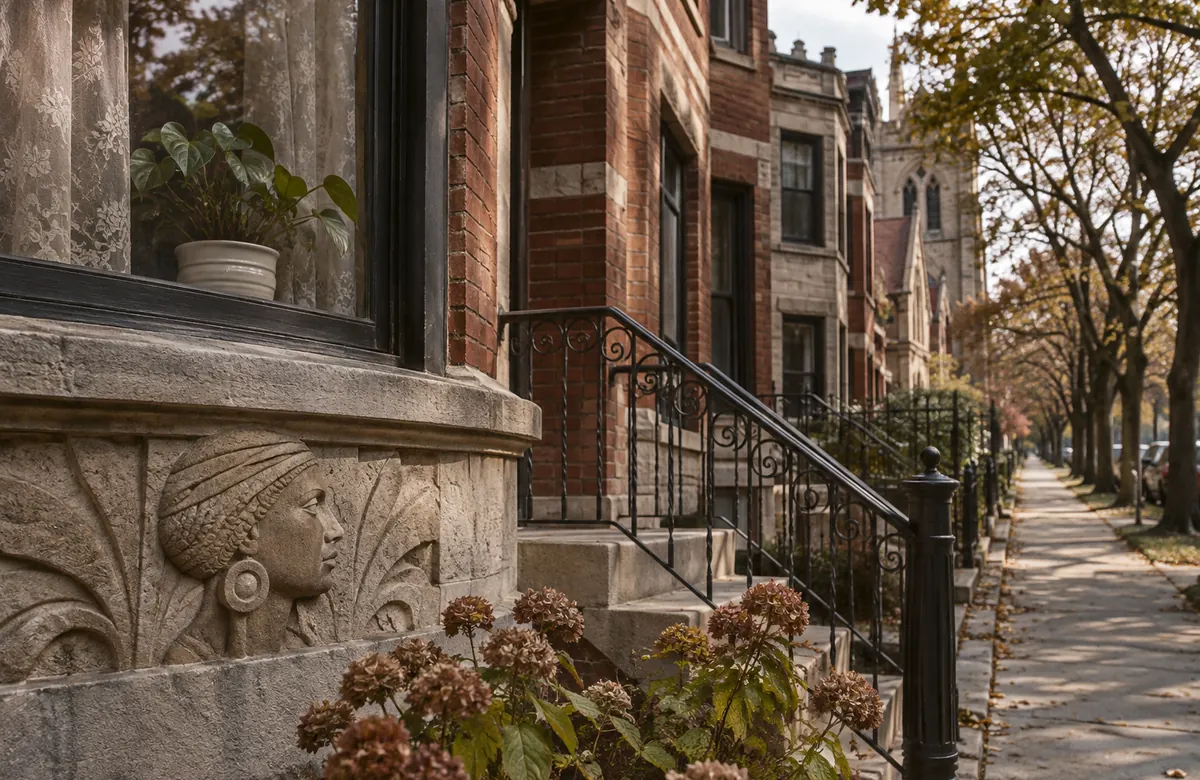
The significance of Bronzeville cannot be separated from the racial restrictions that dictated where many Black Chicagoans could live. A rich community of businesses and cultural organizations developed under conditions of exclusion. Accounts that celebrate the accomplishments without explaining those conditions miss an important element of the area's history. The Great Migration brought people with substantial skills, ambitions and experience into Chicago; the city's restrictions affected the places where they were permitted to exercise those skills and create new institutions.
The historical geography is particularly useful when considering how a single neighborhood generated so many different kinds of cultural activity. Residential and commercial districts supplied places where musicians, journalists, political organizers and business owners could encounter one another. News of an opportunity could travel through many informal networks. Concentration had consequences beyond the number of people living in a particular area. It influenced the possibilities for exchange among them.
A monument and the people behind it
A well-known public sculpture commemorates the Great Migration near the northern end of Bronzeville. Its figure, traveling with luggage, provides an immediately legible introduction to the history of movement. But the monument alone cannot communicate the complex journeys that led people to Chicago. Migration was not a single departure and arrival experienced in identical ways by millions of people. Some traveled as children; others came to join family members or moved after already spending time in another city. Personal circumstances shaped the routes and the decisions about staying.
Local history can add exactly that kind of specificity to a broad subject. Family photographs, letters, newspapers, employment records and oral accounts establish different parts of an individual's path. A business advertisement from an early Chicago newspaper might identify the service a newly arrived resident could seek. A census record might reveal how members of a household lived together. No individual source contains the entire experience.
For people preserving family records, the significance of an address is often underestimated. Identifying where the subjects of an ordinary photograph stood may supply a key to finding related records decades later. A name written carefully beside the image can prevent uncertainty about its contents. If the physical print deteriorates, a high-quality digital copy can preserve information useful to both relatives and historians. Such modest acts rarely look impressive at the time. Collectively, they make a substantial contribution to the available record.
Cultural life is made of work
Much of Bronzeville's best-known history involves music, literature and political activity. Looking at these subjects as forms of work helps avoid an excessively romantic account of neighborhood life. A musician needs places to rehearse and play, people willing to pay to hear a performance and some means of transporting equipment. A writer requires time and an audience. A gallery owner has to manage the costs of exhibiting work while supporting artists who may be combining production with other employment.
Contemporary arts organizations in Bronzeville continue this practical work. Galleries provide opportunities for visitors to see art that might not be carried by the major downtown institutions. The Bronzeville Arts District has organized opportunities to tour galleries and meet artists, allowing people to explore several destinations during a visit. Such activity matters not only because it draws attention to the neighborhood. An artist who can discuss a work directly with viewers may gain relationships that support the next project.
Historical associations make these present-day activities legible to a national audience, but institutions cannot rely exclusively on their relationship to the past. An exhibition of work by contemporary local artists deserves attention on its own terms. The neighborhood has produced different forms of art as circumstances have changed. Its value does not depend on every new activity reproducing a pattern from a more famous period.
Visiting without turning a neighborhood into a set
Historic houses and streets are often more accessible to the public from the sidewalk than from indoors. Private residences remain private even if a famous person once lived there. Recognizing this distinction helps preserve the relationship between historical understanding and the people living on the block now. A visitor can notice the architecture, consult a guide before arriving and consider the building in relation to its surroundings without treating somebody's front door as a museum entrance.
The range of building types in Bronzeville also rewards exploration beyond individual landmarks. Row houses, larger apartment buildings, former commercial structures and public institutions describe different phases of development. A group of houses can suggest the density of an earlier residential district. A vacant parcel raises questions about why the previous structure disappeared. An established storefront demonstrates that the history of the street has not come to an end.
The heritage designation makes a network of historical associations easier to recognize. What it cannot provide automatically is the information needed to interpret every stop. The records of local institutions, historical organizations and cultural workers matter because they supply detail that cannot be recovered from a passing glance. A person visiting an area for the first time may notice something entirely different after reading an account of the same block.
There is room in Bronzeville for visitors drawn to its history and for residents interested primarily in ordinary neighborhood services. The two interests need not be in conflict when investments enhance the practical life of the area. Maintaining buildings, supporting local businesses and making public gathering places accessible contribute to the quality of a visit as well as to the experience of living there.
The 2023 designation does not fix Bronzeville in a particular moment. It offers a useful reason to examine how Chicago's history developed through individual addresses and relationships, and why evidence of that development survives unevenly. A celebrated public figure may have a monument; an essential organizer might be known mostly through photographs or meeting records. Both kinds of evidence belong to the same neighborhood history. The work of recognizing and interpreting them will continue well beyond any official announcement.